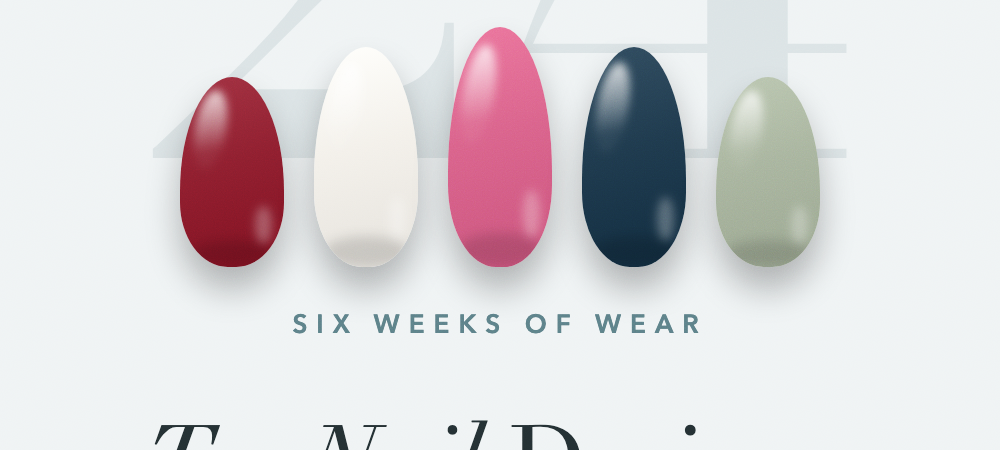
Toe nail designs are the best value in nails and almost nobody treats them that way. A pedicure lasts four to six weeks against two to three for a manicure, because feet don’t type, wash dishes, or open cans. Same money, twice the wear. That alone should change how you think about which nails get the interesting colour.
Here are 24 toe nail designs across seasons and skill levels, plus why pedicures last so much longer, which colours actually suit feet, the prep that separates a good home pedicure from a homemade-looking one, and how to keep it going for six weeks. If you want the matching hands, my nail shapes guide covers the other end.
24 toe nail designs
1. Cherry Red
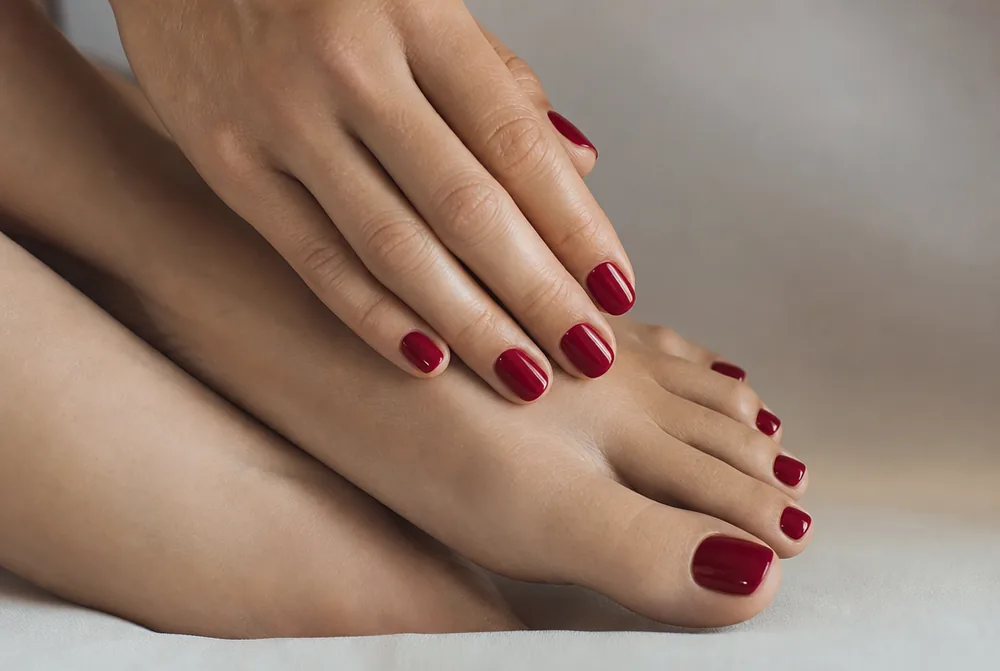
A cool cherry red, glossy. It’s the most-worn pedicure colour there has ever been and it flatters every foot. If you want to stop thinking about this, book red. More in my red nail designs guide.
2. Milky White
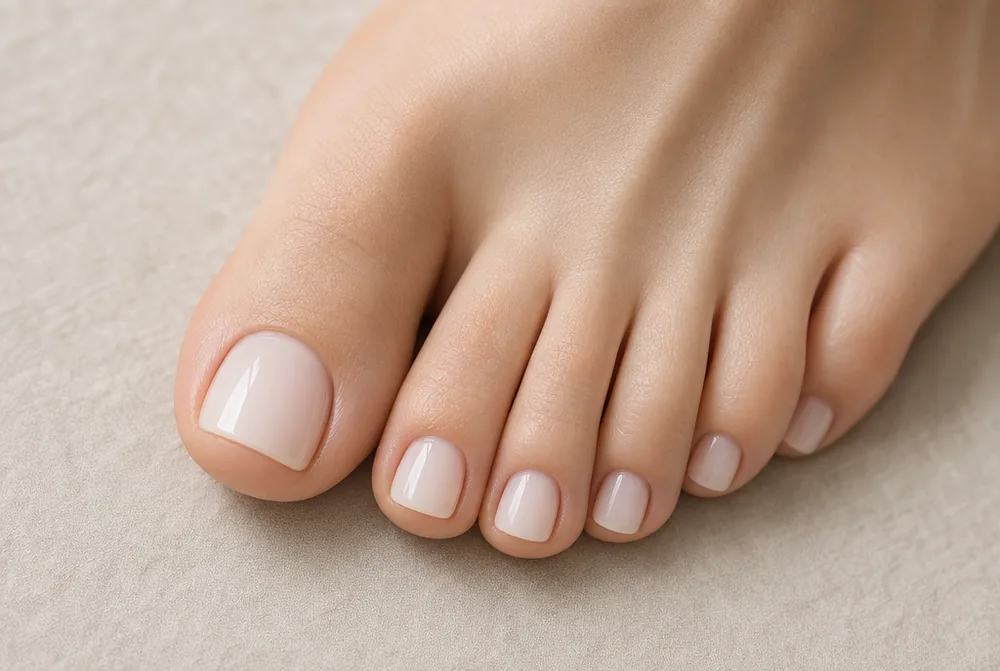
A semi-opaque milky white, which looks clean against a tan and blurs discolouration on toenails that have been under polish all year. More on the shade in my milky white nails guide.
3. French Pedicure
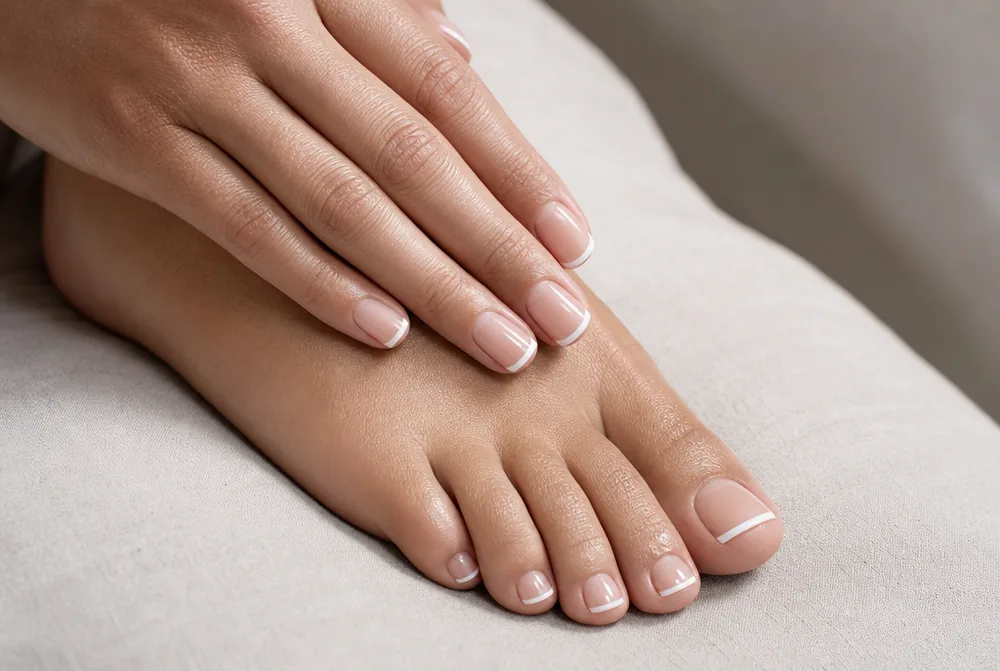
A thin white tip on a sheer base. Keep the line thin; a thick white tip on a toe is the single most dated thing in pedicures. More in my French manicure guide.
4. Hot Pink
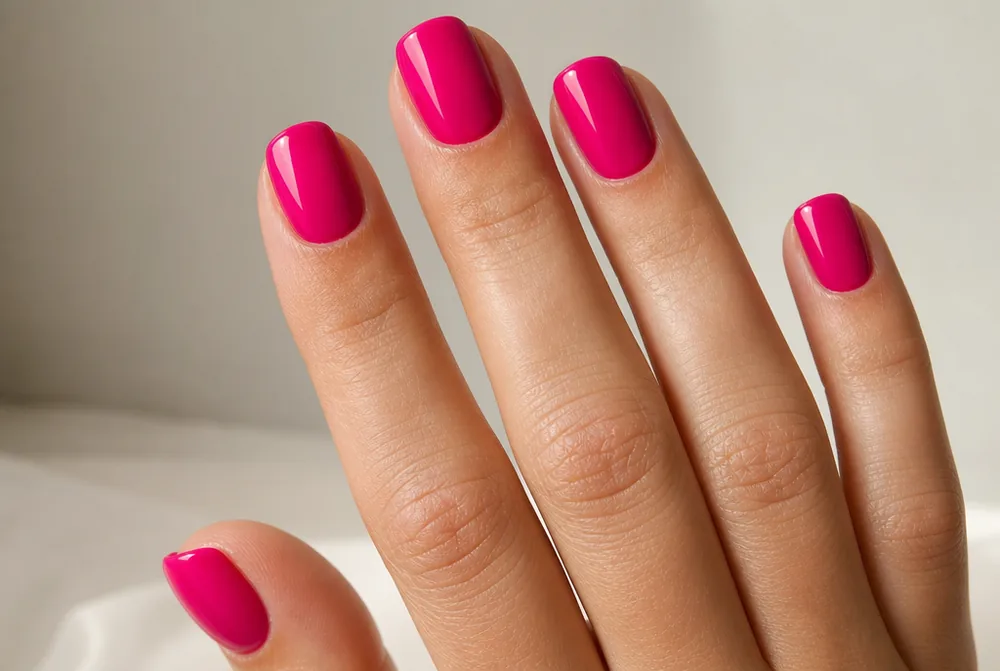
Saturated pink, which reads summer even in February. Bright colours look better on toes than they often do on hands, because there’s less surface for them to shout from. More in my pink nail designs post.
5. Espresso Brown
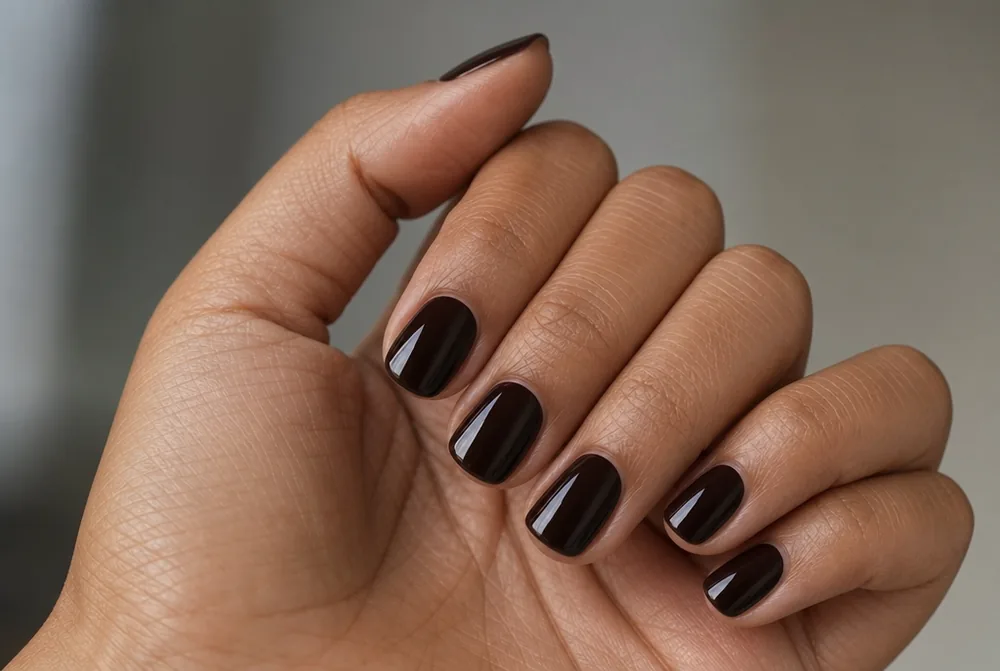
Deep coffee brown, which is the autumn and winter pedicure and reads warmer than black. It’s also one of the least likely to show grow-out. More in my brown nail designs guide.
6. Coral
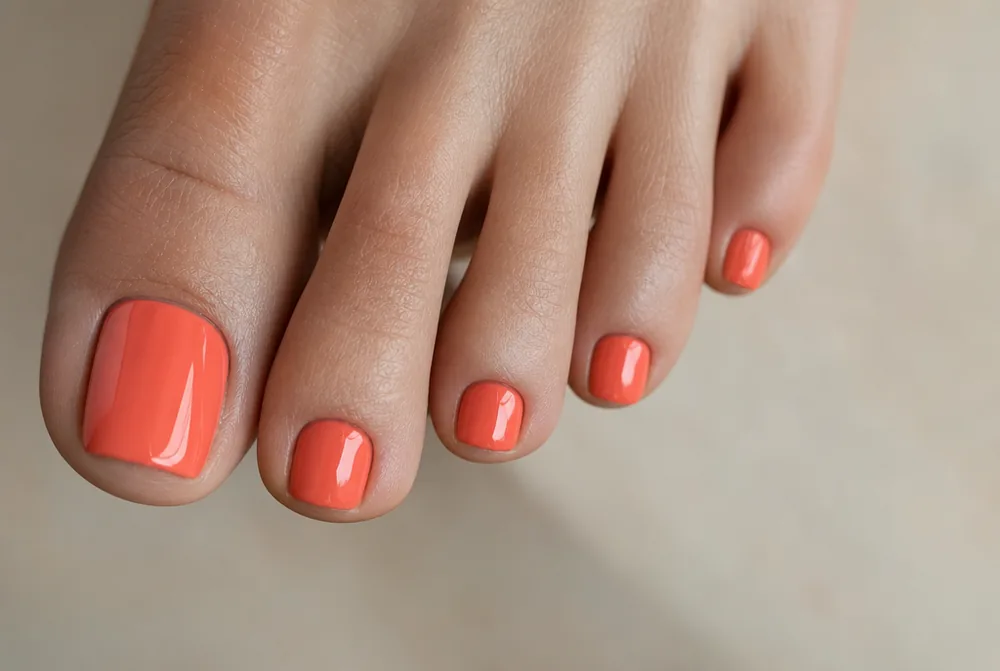
Warm orange-pink, which is the shade that looks best against tanned feet and sandals. It’s the most summery colour here and it suits warm undertones especially.
7. Navy
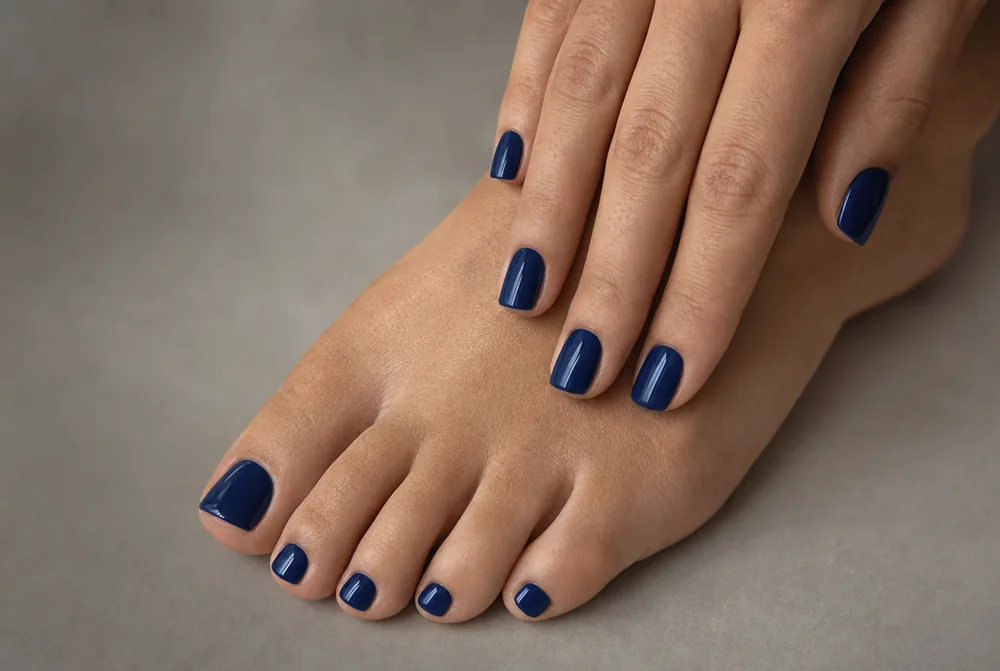
Deep navy, which behaves like a neutral and works year-round. It’s the colour I’d pick if you want dark without going black. More in my blue nail designs guide.
8. Toe Ombre
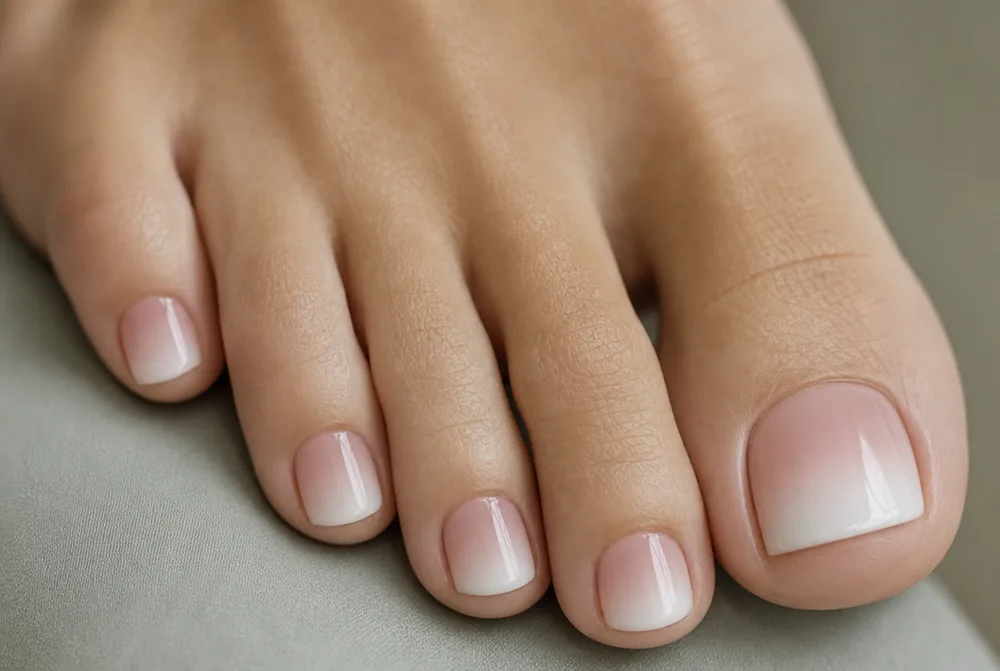
A soft fade from nude to colour on each toe. Toes are the most forgiving place to practise a sponge gradient, since nobody inspects them at close range. Technique in my ombre nails guide.
9. Big Toe Accent
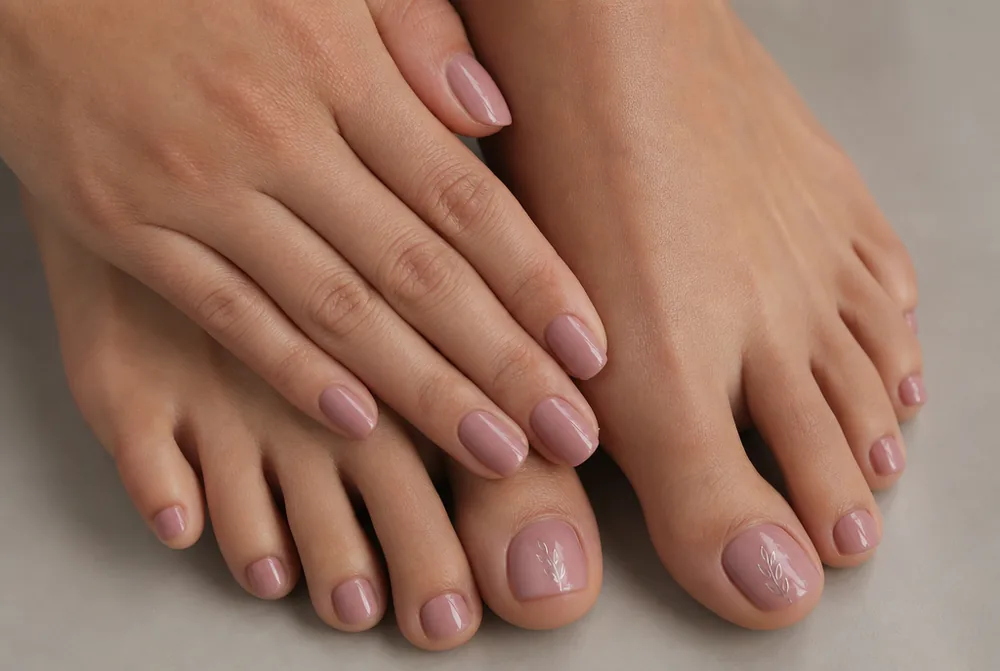
Solid colour everywhere with a design on the big toes alone. The big toe is the only one with enough surface for detail, so this is where any nail art belongs on a foot.
10. Daisy Accent
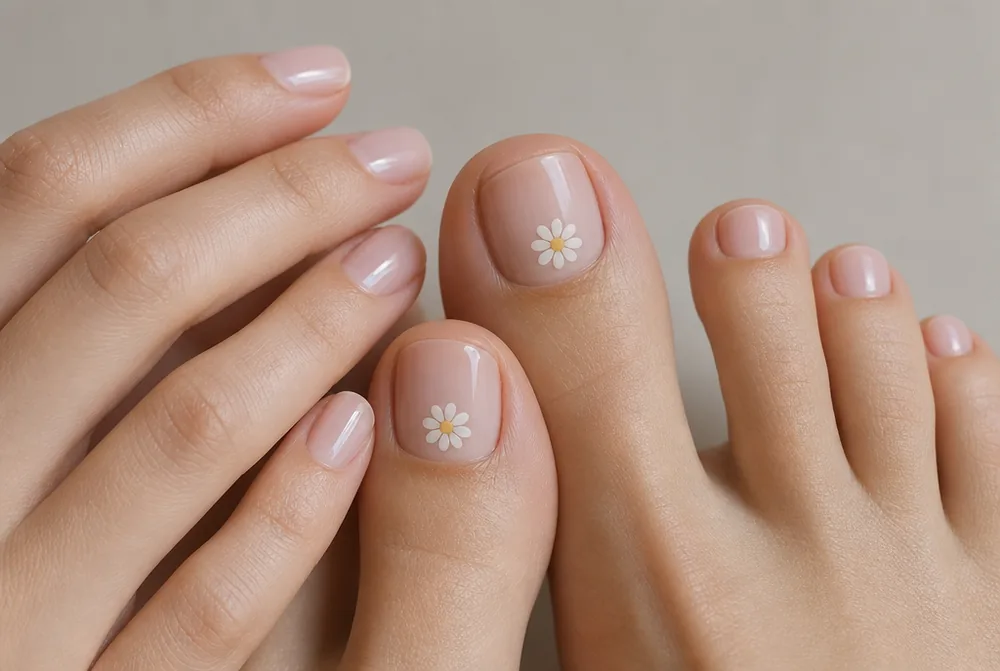
A small white flower with a yellow centre on each big toe. Five dots and one centre dot with a dotting tool, which makes it genuinely foolproof. The most summery design here.
11. Chrome Pedicure
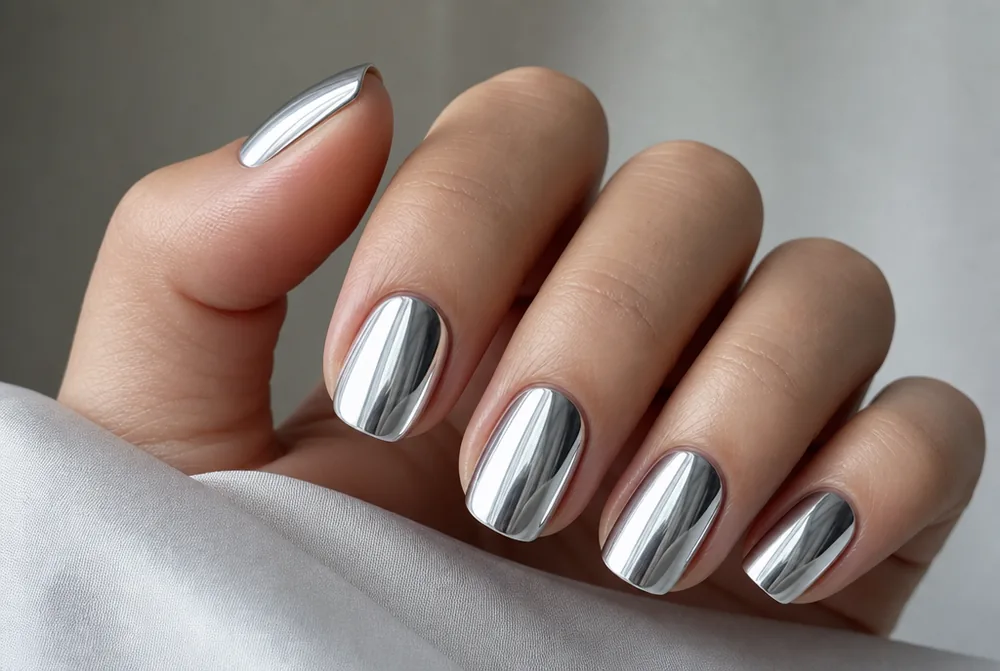
Full chrome on toes, which lasts genuinely well because feet don’t scuff the finish the way hands do. It’s the longest-lasting metallic you can wear. More in my silver nail designs guide.
12. Polka Dot Toes
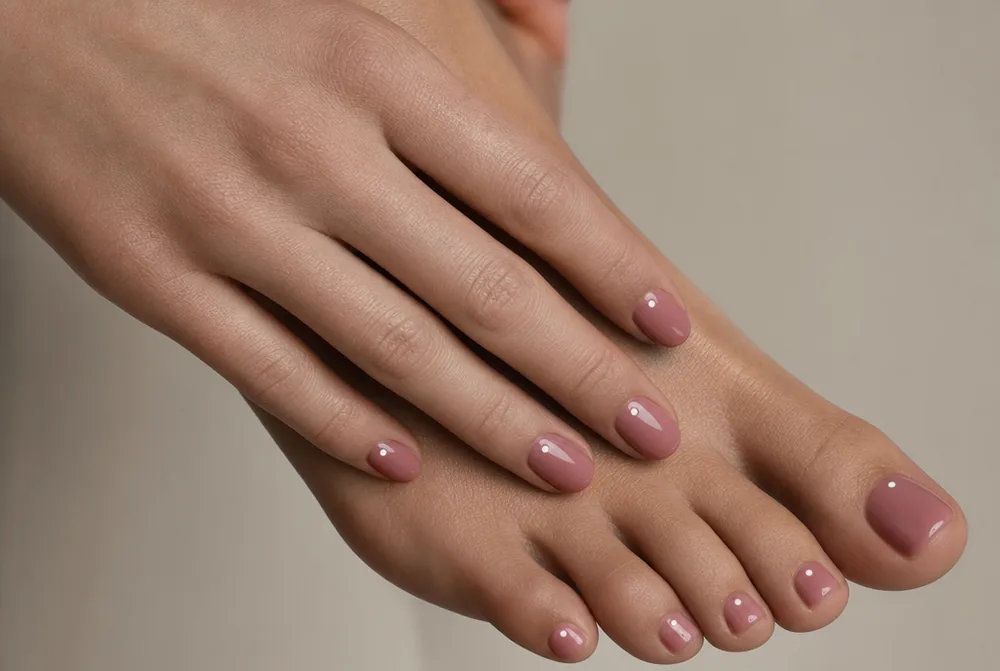
Small white dots over a colour. Toes are the easiest place to learn dots, since the big toe gives you room and nobody is scrutinising the small ones. More in my polka dot nails guide.
13. Emerald Green
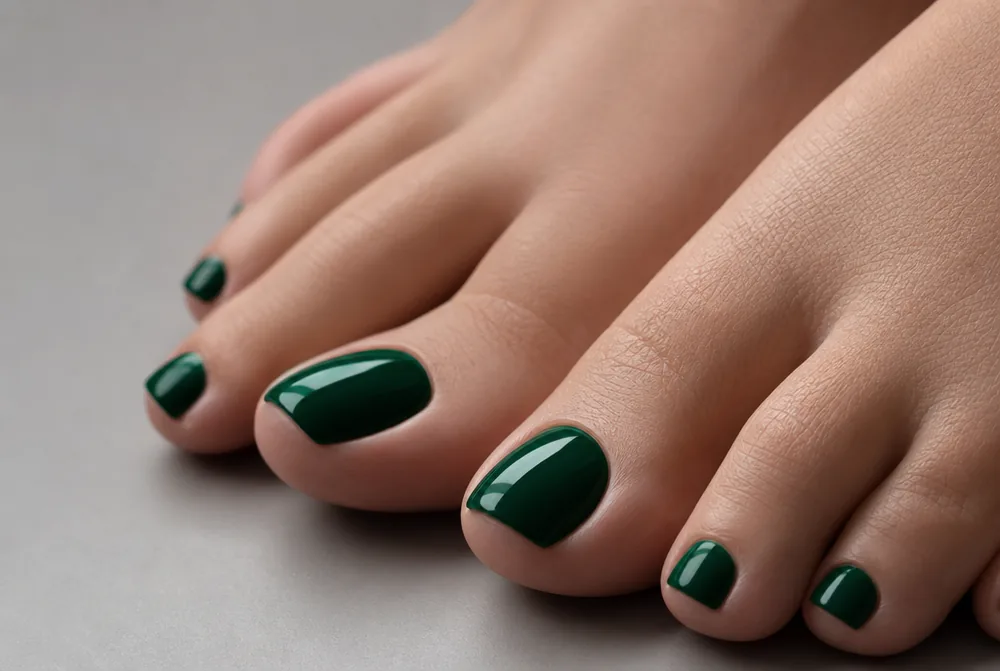
Saturated emerald, which looks like a stone against a foot. Deep greens are among the longest-lasting pedicure colours. More in my emerald green nails guide.
14. Nude Toes
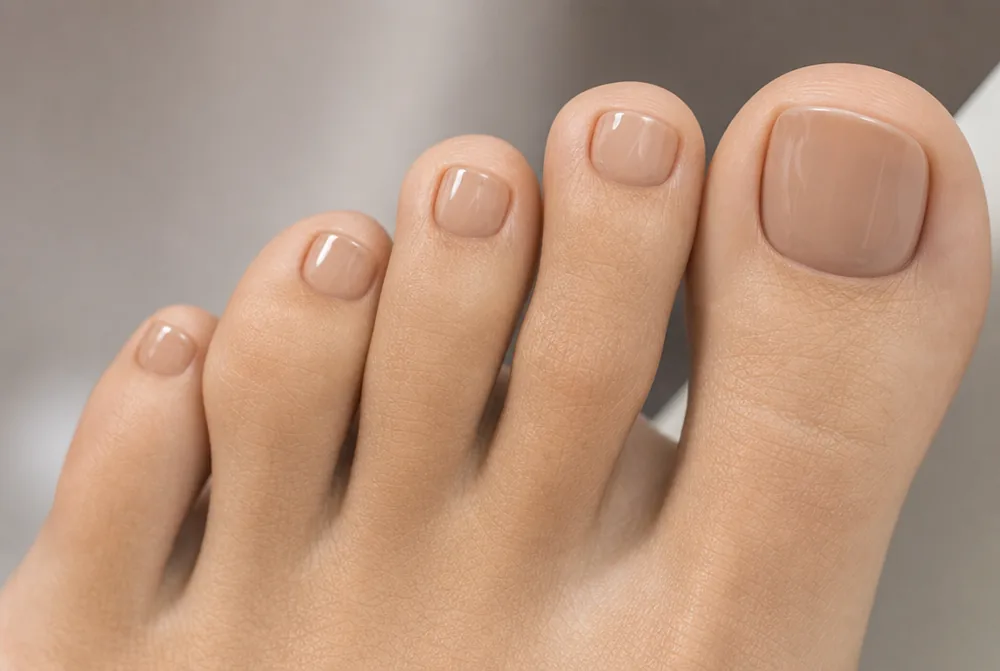
A matched nude, which reads as a very well-kept foot rather than as polish. It’s the most understated pedicure and the one that goes with every shoe. More in my nude nail designs guide.
15. Burgundy
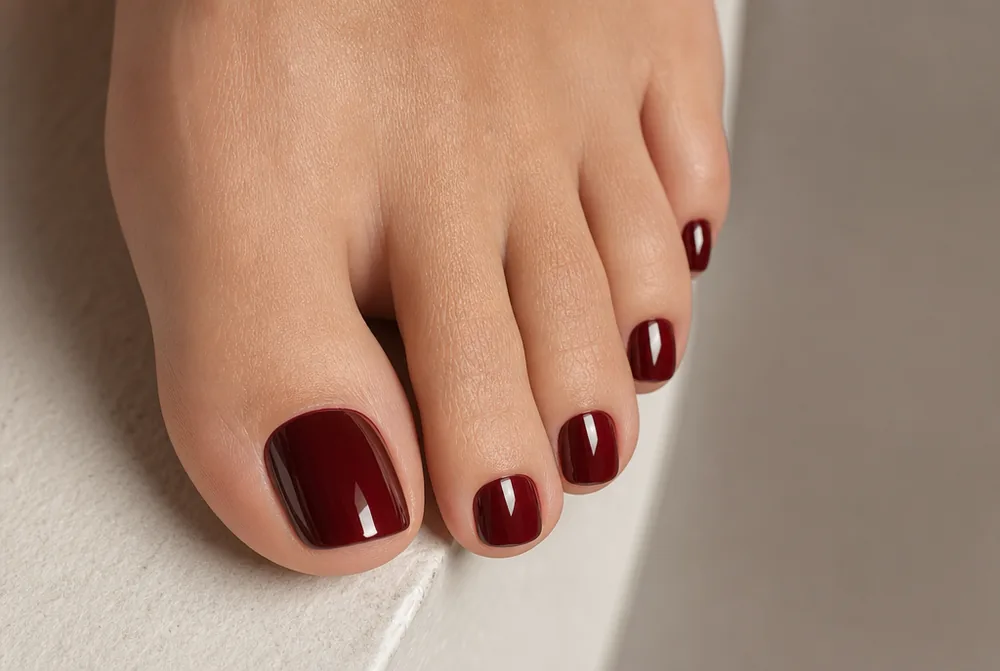
Deep wine, which carries from September through February and is dressy enough for anything. More in my burgundy nails guide.
16. Glitter Toes
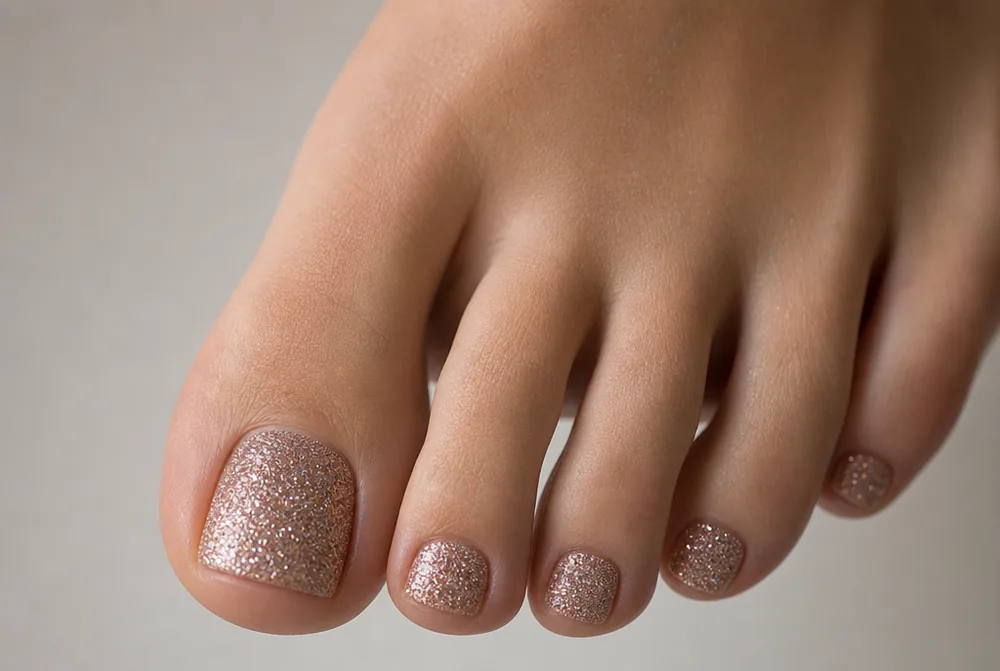
Fine glitter across all ten toes. This is the one place chunky glitter never snags on anything, so it’s the best argument for sparkle on feet. It also lasts the longest of any finish. More in my glitter nail designs guide.
17. Matte Pedicure
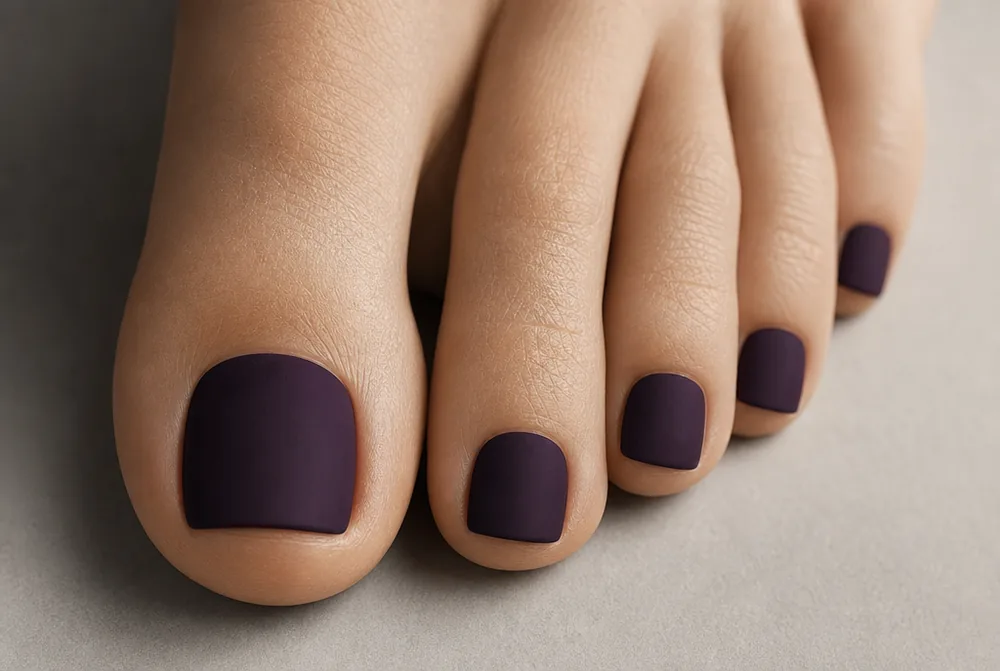
Matte on toes, where it holds up far better than on hands because feet touch less. Four to six weeks without going patchy. More on the finish in my matte nails guide.
18. Lilac
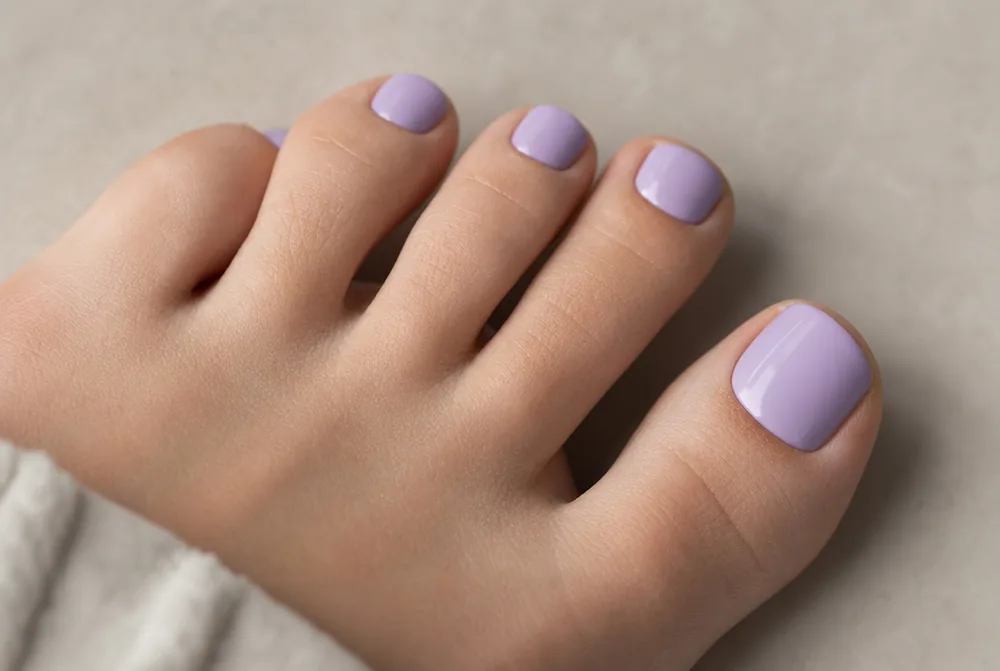
Pale lilac, which is the friendliest pastel on a foot and looks especially good against pale skin before a tan. More shades in my purple nail ideas post.
19. Toe Aura
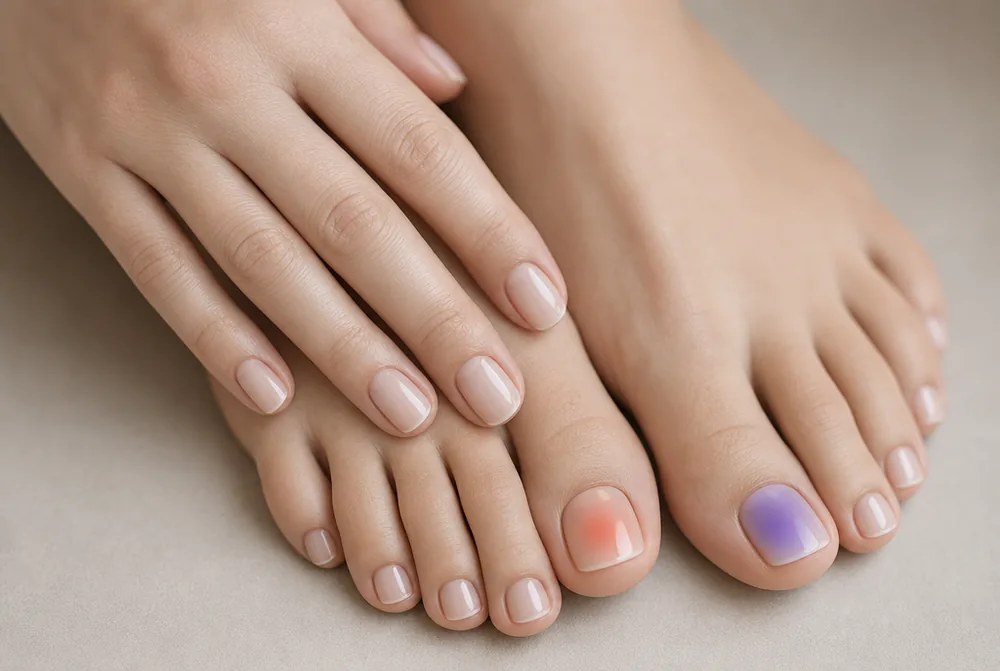
A soft halo of colour on the big toes with solid colour elsewhere. Toes are where I’d practise this before attempting it on hands. Technique in my aura nails guide.
20. Black Gloss
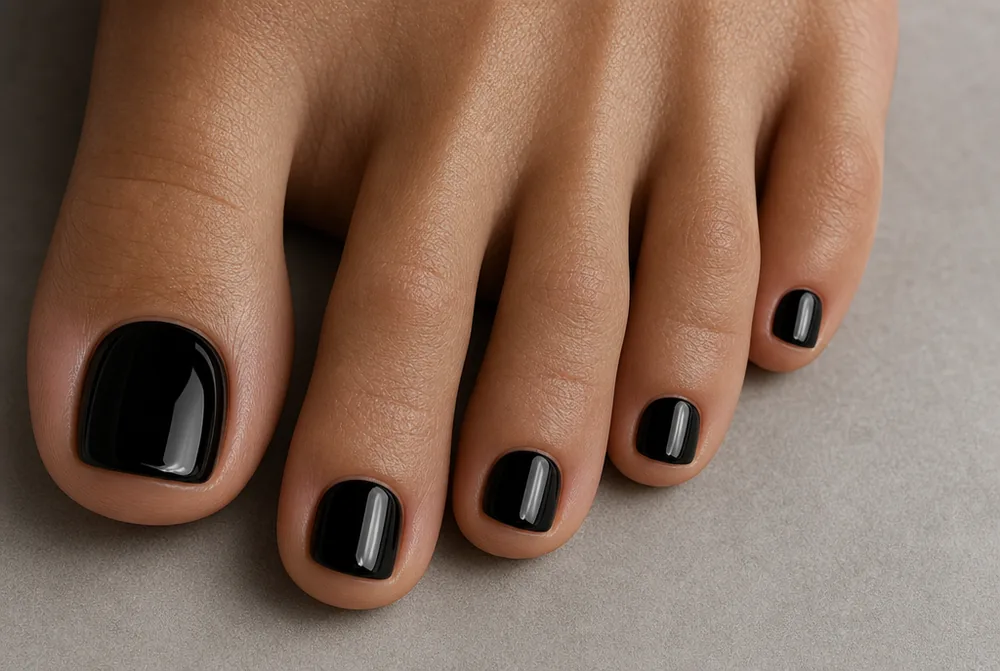
Glossy black, which reads sharp rather than severe on feet in a way it doesn’t always on hands. It also hides grow-out well. More in my black nail ideas post.
21. Marble Big Toes
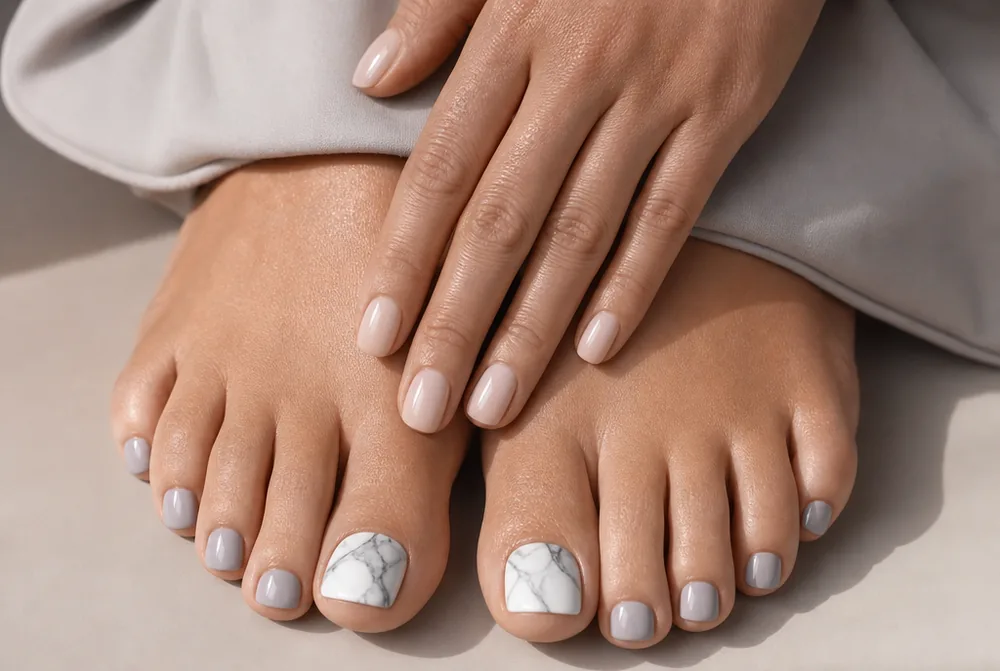
Marble veining on the big toes with solid white elsewhere. The bigger surface makes veining much easier than on a fingernail. Technique in my marble nails guide.
22. Sage Green
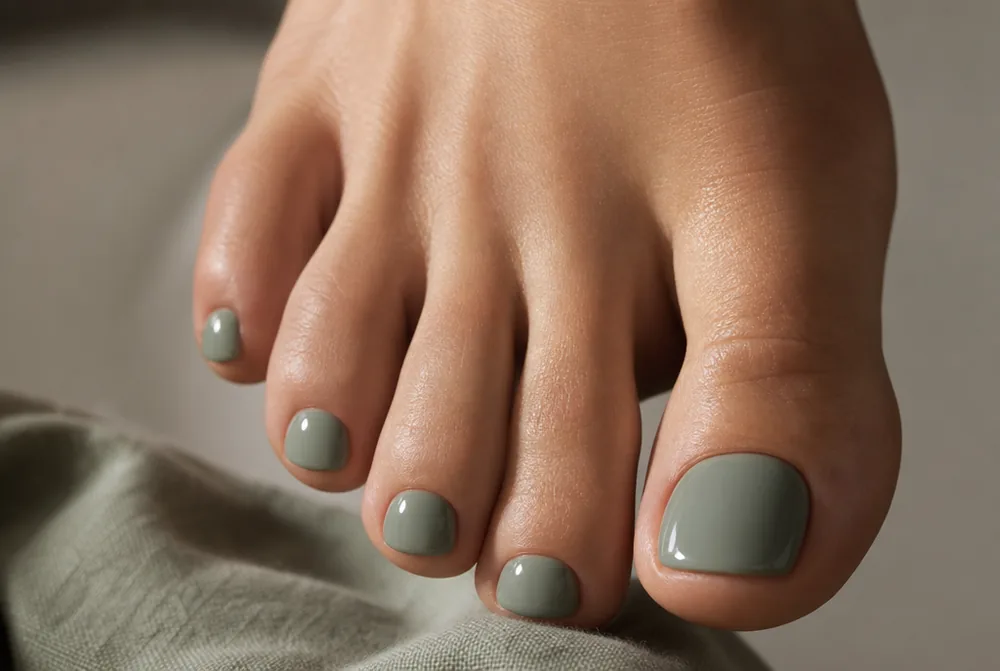
Muted sage, which behaves like a neutral and reads current rather than seasonal. It’s the most unexpected easy pedicure colour. More in my green nail designs guide.
23. Matching Hands and Feet
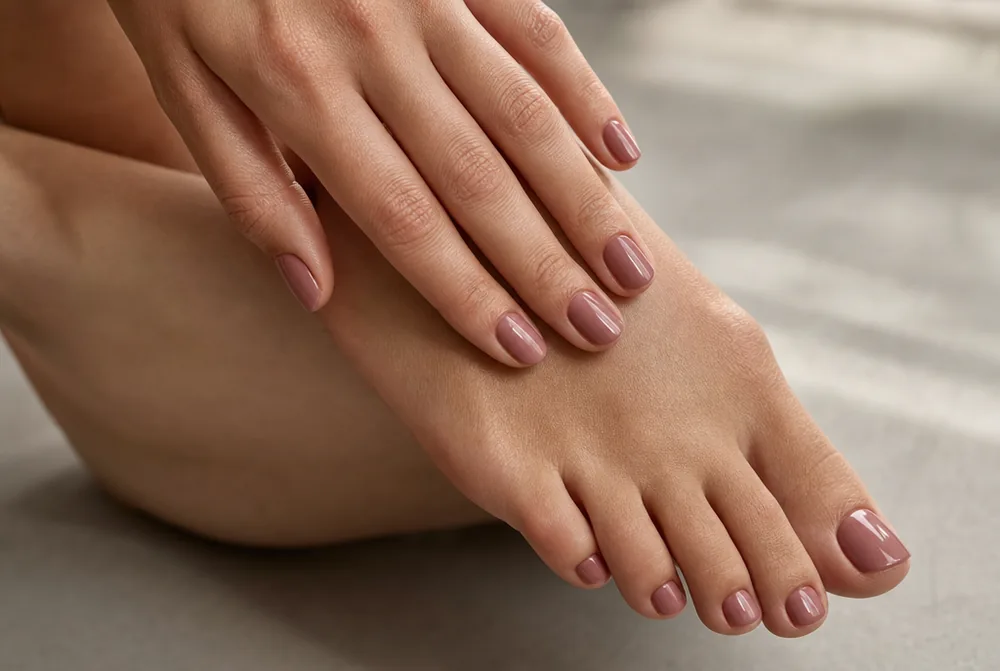
The same shade on both, which is the most classic option and the easiest to book. If you only want to think about colour once a season, this is how.
24. Deliberately Mismatched
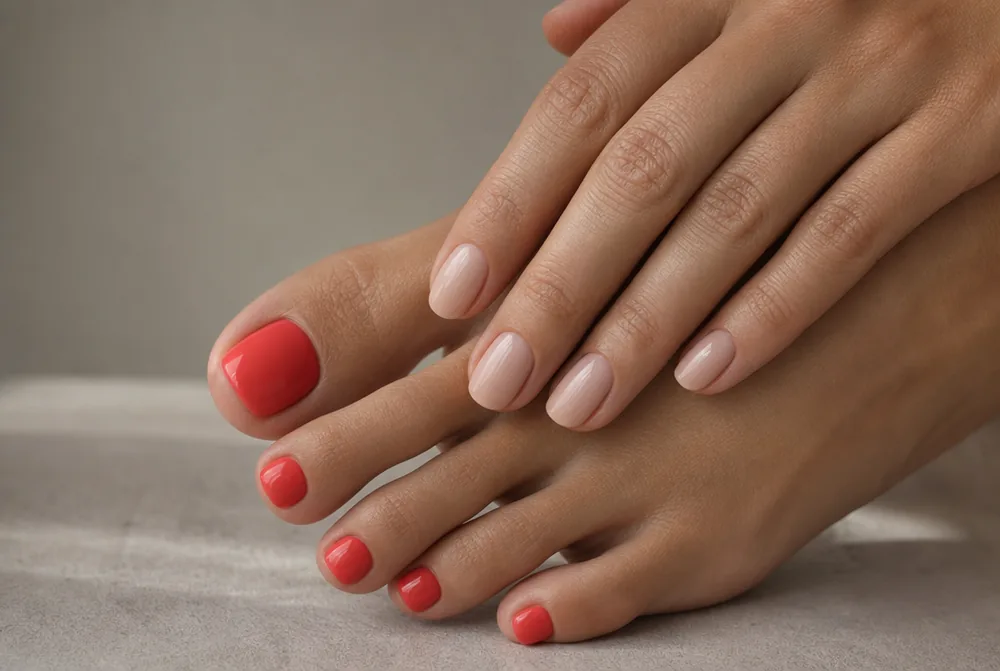
Bright on the toes, neutral on the hands. This is what I actually do: the toes get the colour I love and can’t wear to work, and the hands stay quiet. It’s the best argument for pedicures there is.
Why pedicures last so much longer
Four to six weeks against two to three is a big gap, and the reasons are worth understanding because they tell you what to spend on.
Toenails grow at roughly half the speed of fingernails, so the cuticle gap that makes you rebook a manicure takes twice as long to appear. That’s most of the difference on its own.
Feet also do far less. No typing, no dishes, no opening things, no hand sanitiser. The mechanical wear and chemical exposure that destroy a manicure barely touch a pedicure.
Which means regular polish is genuinely worth it on toes. On hands, polish gives you five to seven days and gel two to three weeks, so gel wins. On toes, regular polish can go three or four weeks, which changes the maths entirely.
Which colours suit feet
Feet are not small hands, and a few colours behave differently down there.
Saturated colours work better on toes than on fingers. There’s less surface, so a bright coral or hot pink reads as a pop rather than a statement. This is where to wear the colours you’d find too loud on your hands.
Very pale and sheer colours work less well. A sheer pink that looks elegant on a fingernail can make toenails look slightly yellow, because toenails are naturally thicker and less translucent. Milky and opaque beat sheer on feet.
Dark colours are the most practical. Navy, espresso, burgundy, and black all hide grow-out for weeks, which matters when you’re stretching a pedicure to six. If you want maximum value, go dark.
Prep that stops a home pedicure looking homemade
The polish is the easy part. What separates a salon pedicure from a home one happens before any colour goes on.
Cut toenails straight across, not curved. Rounding the corners is the main cause of ingrown toenails, and a straight edge also looks better under polish. File the corners smooth afterward rather than cutting them in.
Push the cuticles back after a soak and never cut them. Toenail cuticles build up more than fingernail ones, and pushing them back is what makes the nail look longer and the polish look neat at the base.
Use toe separators, or roll up a tissue between them. Polish smeared onto the next toe is the single most common home pedicure failure, and it’s entirely preventable for the cost of a $3 foam separator.
Making a pedicure last six weeks
Getting to the far end of that range takes a few habits, none of which are difficult.
Cap the free edge on every coat, base and top included. Toenails are short, so the tip is a bigger proportion of the visible nail and wear shows there first. Running the brush along the edge seals it.
Refresh the top coat every two weeks. One fresh coat over the existing colour takes five minutes and restores the shine, which is what makes a four-week-old pedicure look tired rather than the colour itself.
Moisturise the feet, not the nails. Dry skin around the nail is what makes a long-worn pedicure look neglected, far more than the polish does. And keep a cotton pad and remover handy for the one toe that inevitably scuffs on a door frame.
Gel or regular polish on toes
This is the one place where the usual answer flips, and it’s worth knowing before you pay for the upgrade.
Regular polish on toes gets three to four weeks, which is close enough to gel that the extra cost is harder to justify. On hands the gap is a week versus three; on toes it’s three versus five.
Gel does win on chip resistance if you’re on a beach holiday, in the pool daily, or wearing shoes that rub. It also holds chrome and cat eye finishes, which polish can’t. My gel vs dip vs acrylic comparison covers the tradeoffs.
The argument against gel on toes is removal. Soaking toes takes longer than fingers and it’s more awkward, and toenails are more prone to damage from over-filing. If you’re not sure, regular polish is the sensible default.
FAQ
How long does a pedicure last?
Three to four weeks with regular polish and four to six with gel, which is roughly double what the same products give you on hands. Toenails grow at about half the speed of fingernails and feet do far less mechanical work. Refreshing the top coat every two weeks pushes it toward the longer end.
What colour toenails go with everything?
A cool cherry red is the most-worn pedicure colour and it suits every foot and every sandal. For something quieter, a matched nude or a milky white both work year-round. Dark shades like navy, espresso, and burgundy are the most practical, since they hide grow-out for weeks.
Should your fingernails and toenails match?
There’s no rule, and deliberately mismatching is arguably the better use of a pedicure. Because toes last four to six weeks and are hidden most of the time, they’re the right place for a bright colour you wouldn’t wear on your hands. Matching is simplest if you only want to think about one shade a season.
How do you do a pedicure at home?
Soak, cut the nails straight across rather than curved, file the corners smooth, push the cuticles back without cutting them, then use toe separators before you polish. Two thin coats and a top coat capped over the free edge. The separators and the straight cut are what stop a home pedicure looking homemade.
If you take one thing from this: put the colour you actually love on your toes, where it lasts six weeks and no office dress code applies. And keep the hands neutral, which my nude nail designs guide covers.
Round is the shape most pedicures default to, and my round nails guide covers why it breaks less than anything else.