Picking nail shapes is the single decision that changes a manicure most, and it’s the one people give the least thought to. Color you can change in a week. Shape you’re stuck with until it grows out, and the wrong one makes short fingers look shorter or turns a strong nail into one that snaps every fortnight.
This guide covers all nine nail shapes, how each is actually filed, how strong it is, which hands it flatters, and the exact words to say at the salon. Then there’s a section on matching shape to your nail bed and finger length, one on what shape to pick if your nails break constantly, and a short FAQ. If you already know you want almond, our almond nail designs post goes deeper on that one.


Browse all 9 designs
9 designs 1Square
 4Oval
4Oval 6Coffin (Ballerina)
 7Stiletto
 8Lipstick
 9Flare (Duck)
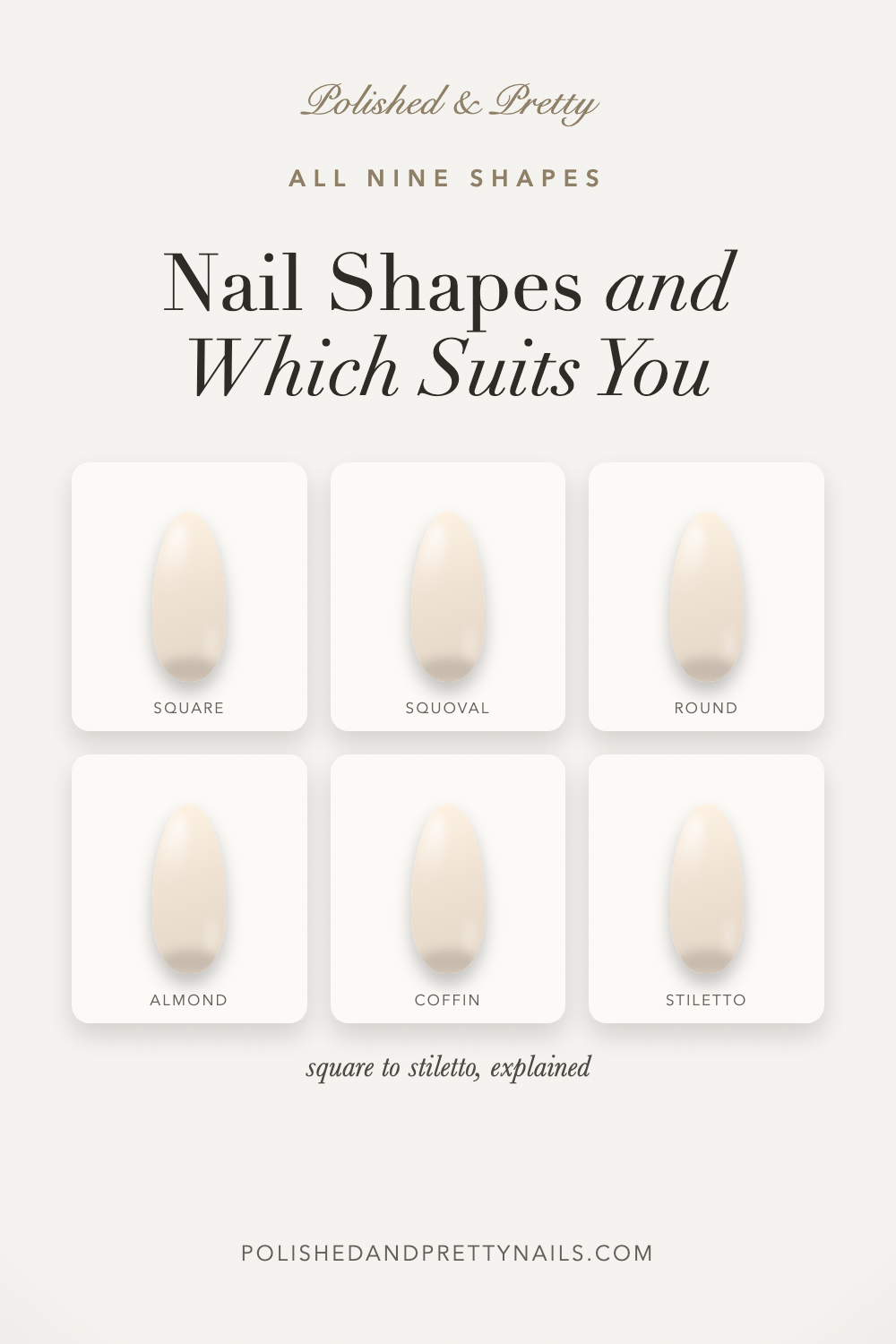
The 9 nail shapes
1. Square
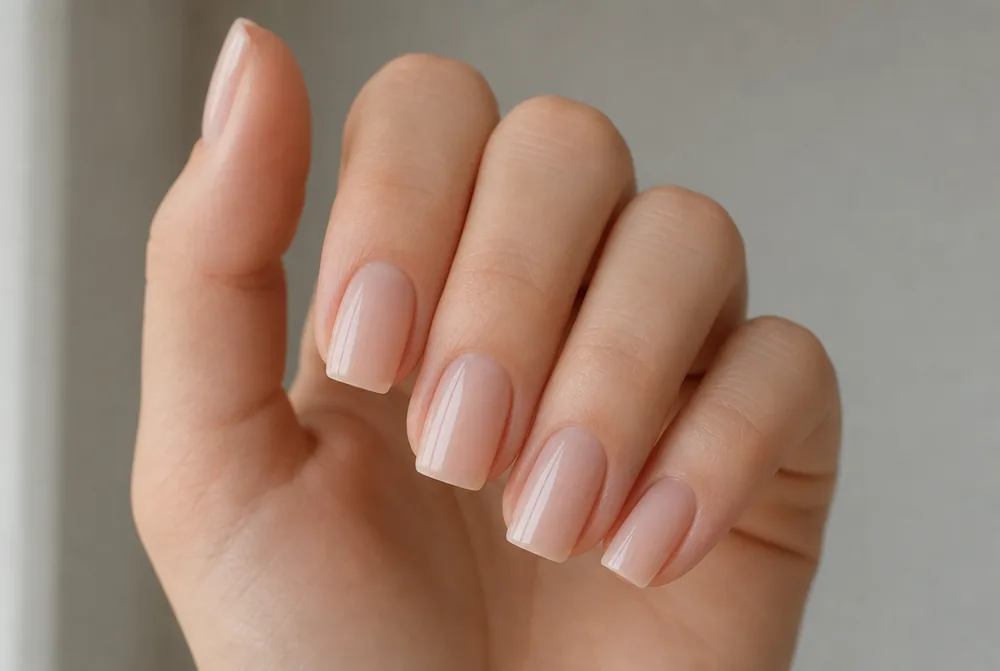
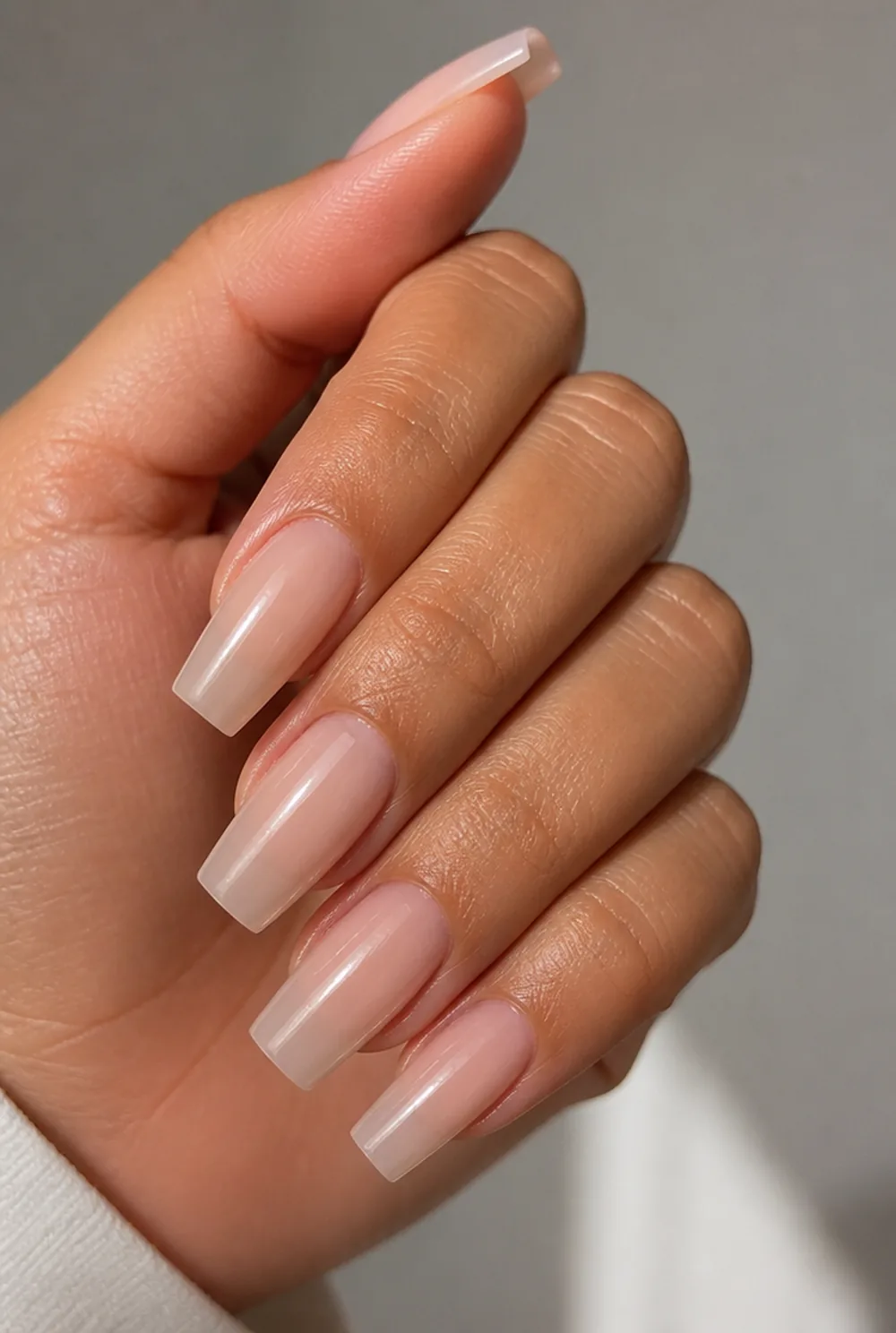
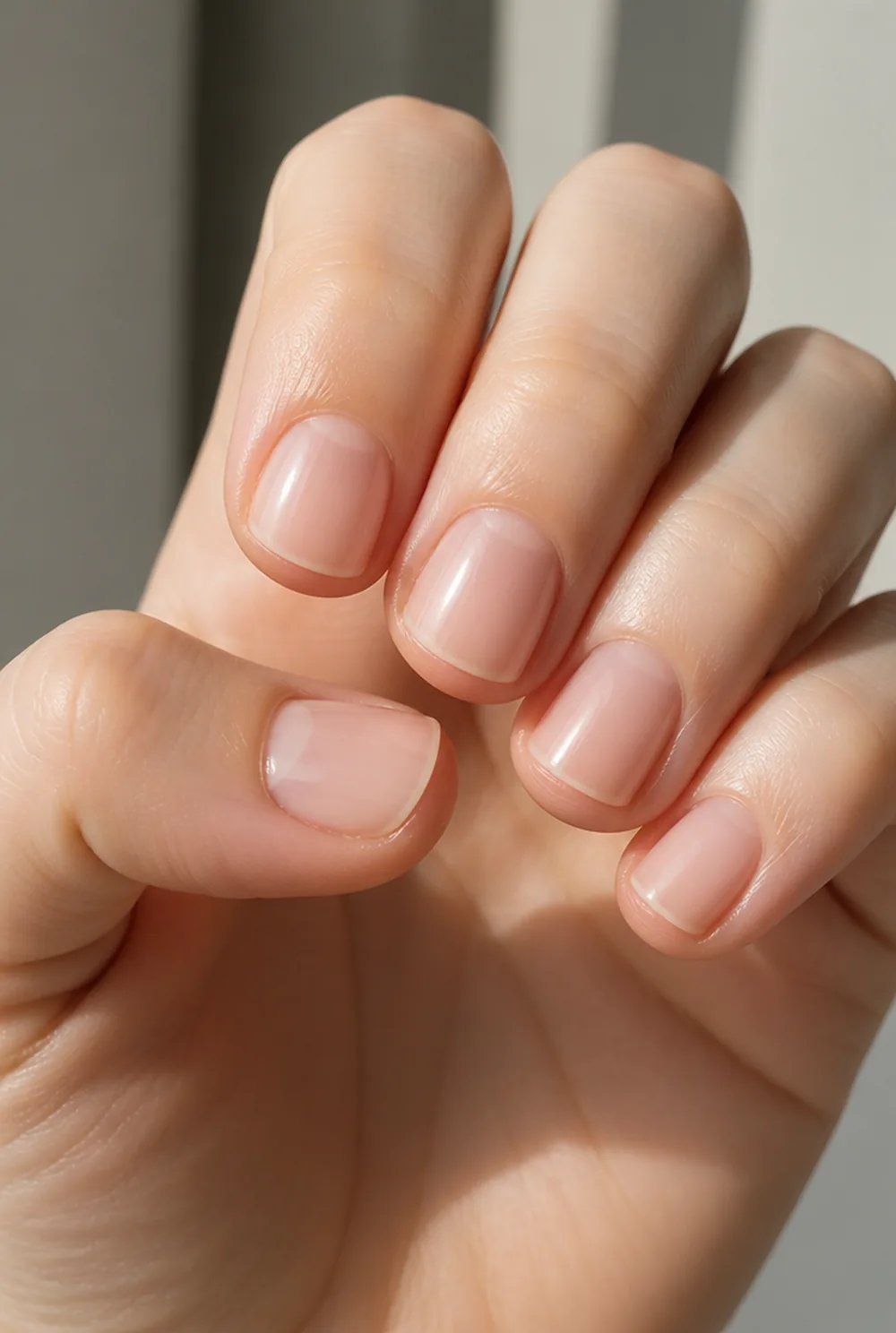
square shape with straight sides and flat tip
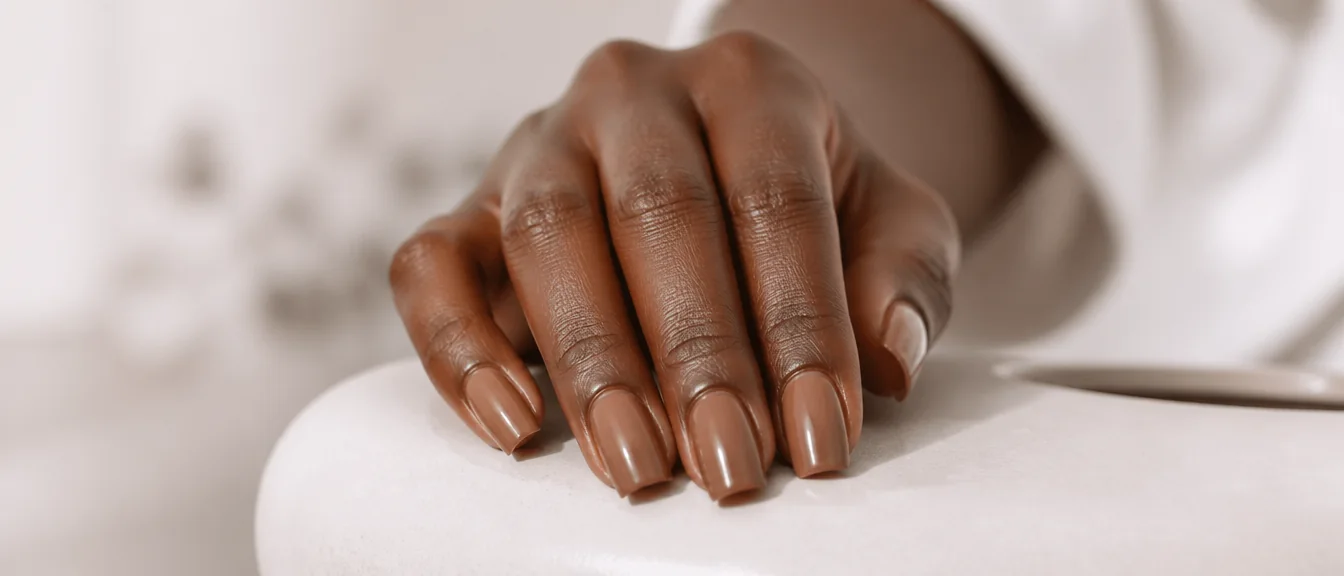
Straight sidewalls, flat tip, sharp corners. It’s the strongest shape there is, because the corners support the free edge instead of tapering away from it. Best on long narrow nail beds, and it can make short wide fingers look wider, which is the one thing to watch. My square nail ideas post covers it properly.
2. Squoval
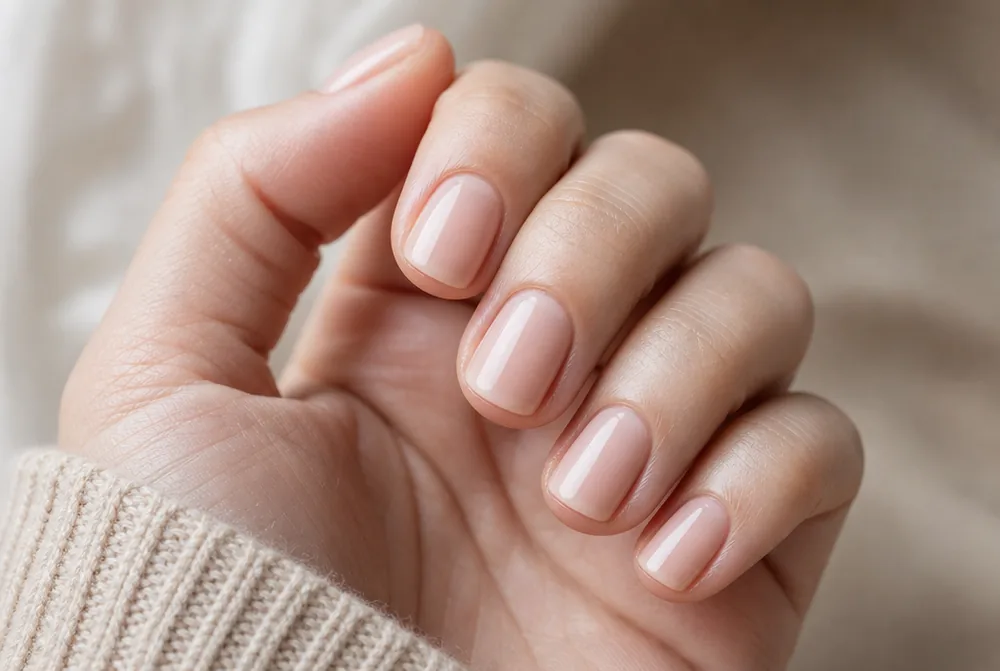
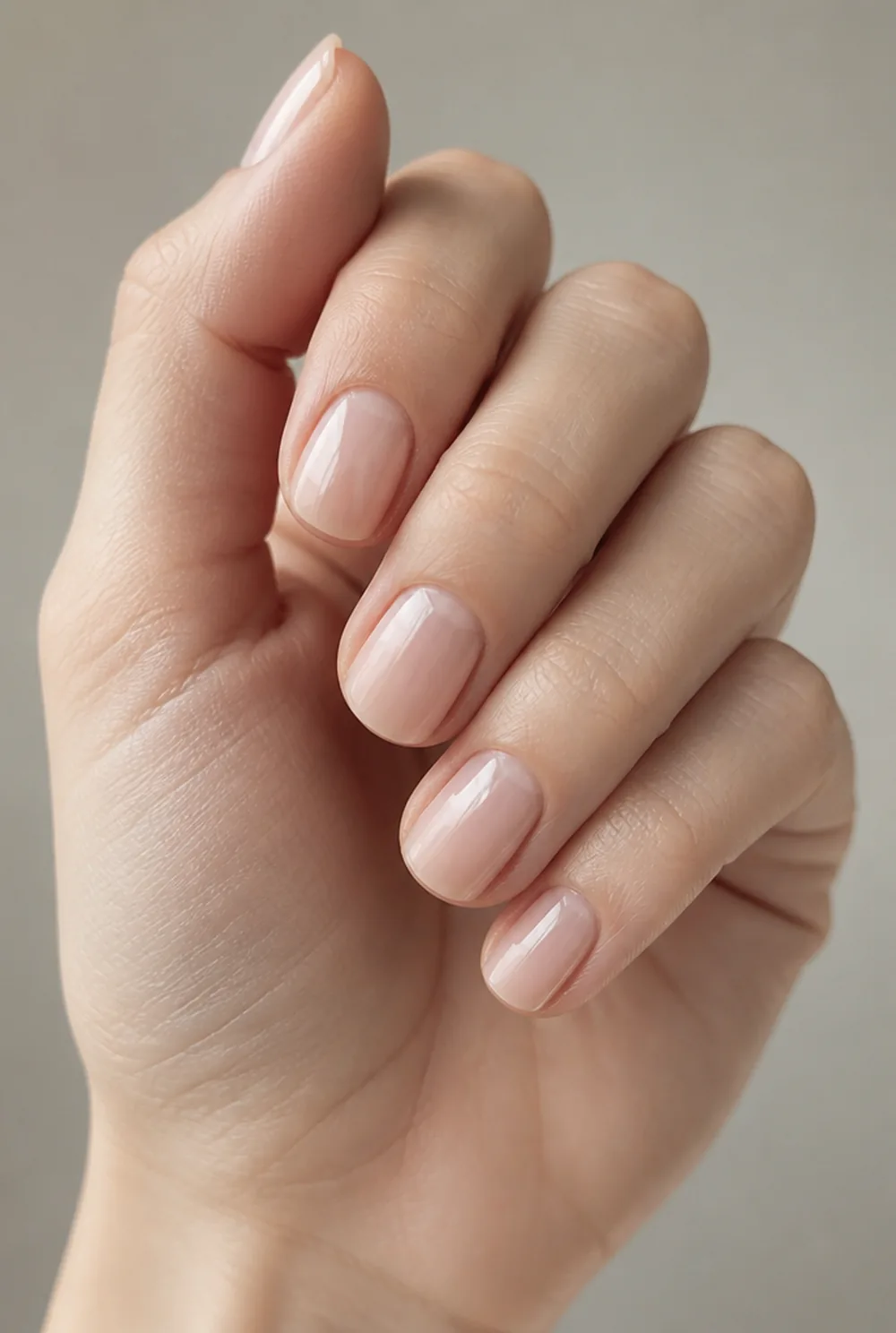
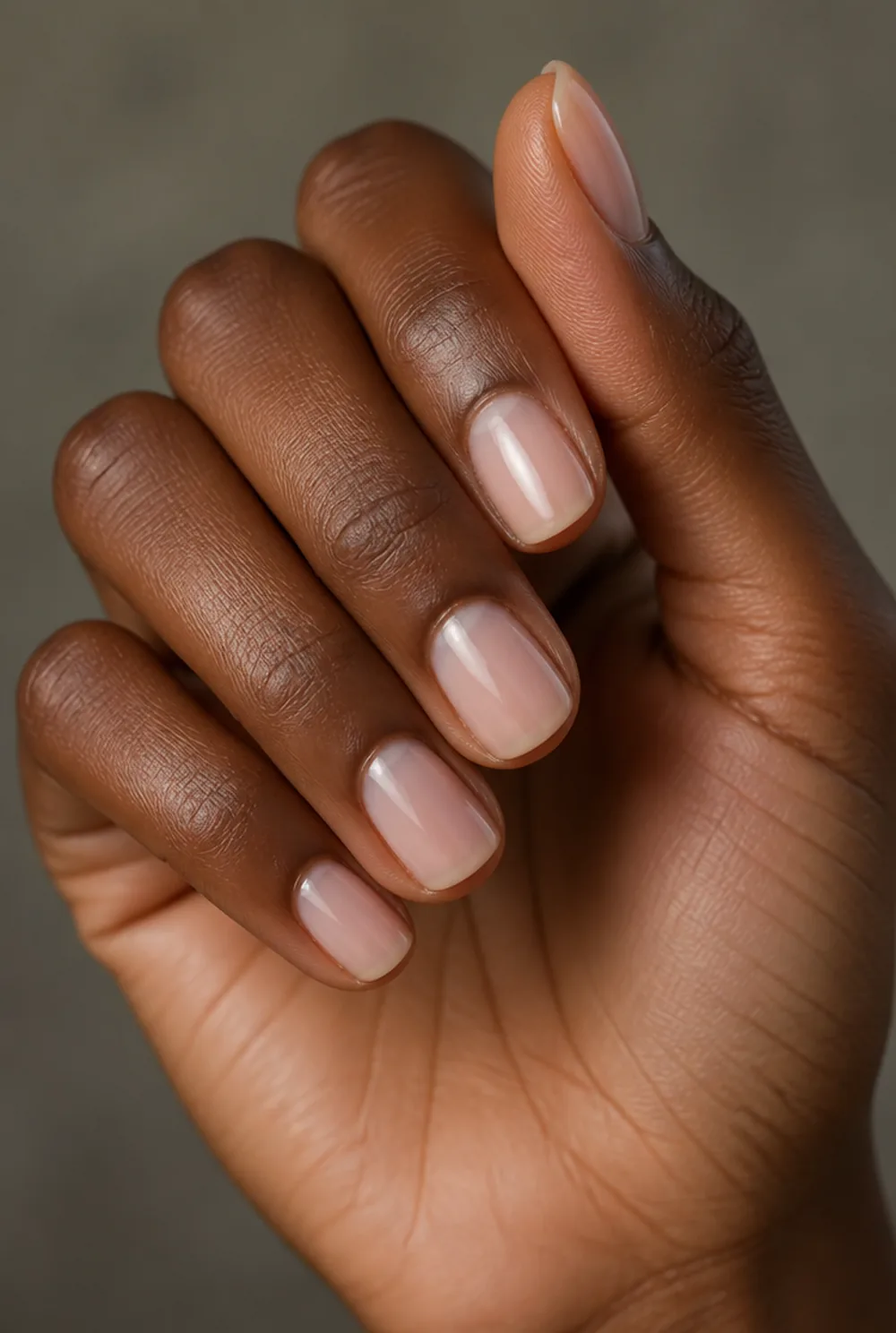
squoval shape, square with rounded corners
Square with the corners filed off, which is why it’s called squoval. It keeps most of square’s strength and loses the sharpness that catches on fabric. This is the most-worn shape in the world and the right default if you have no idea what you want.
3. Round
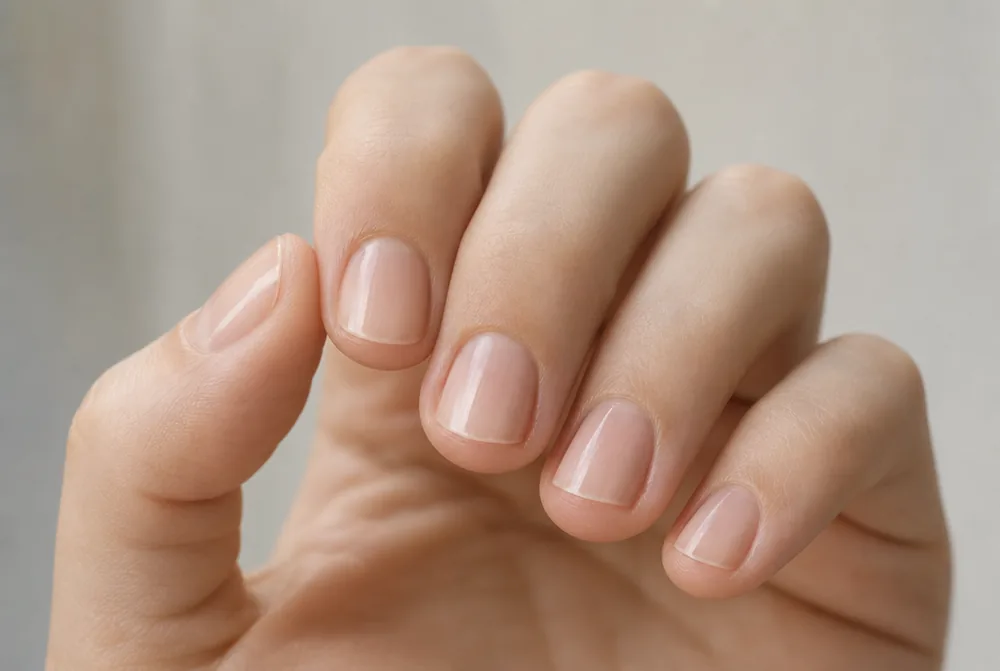
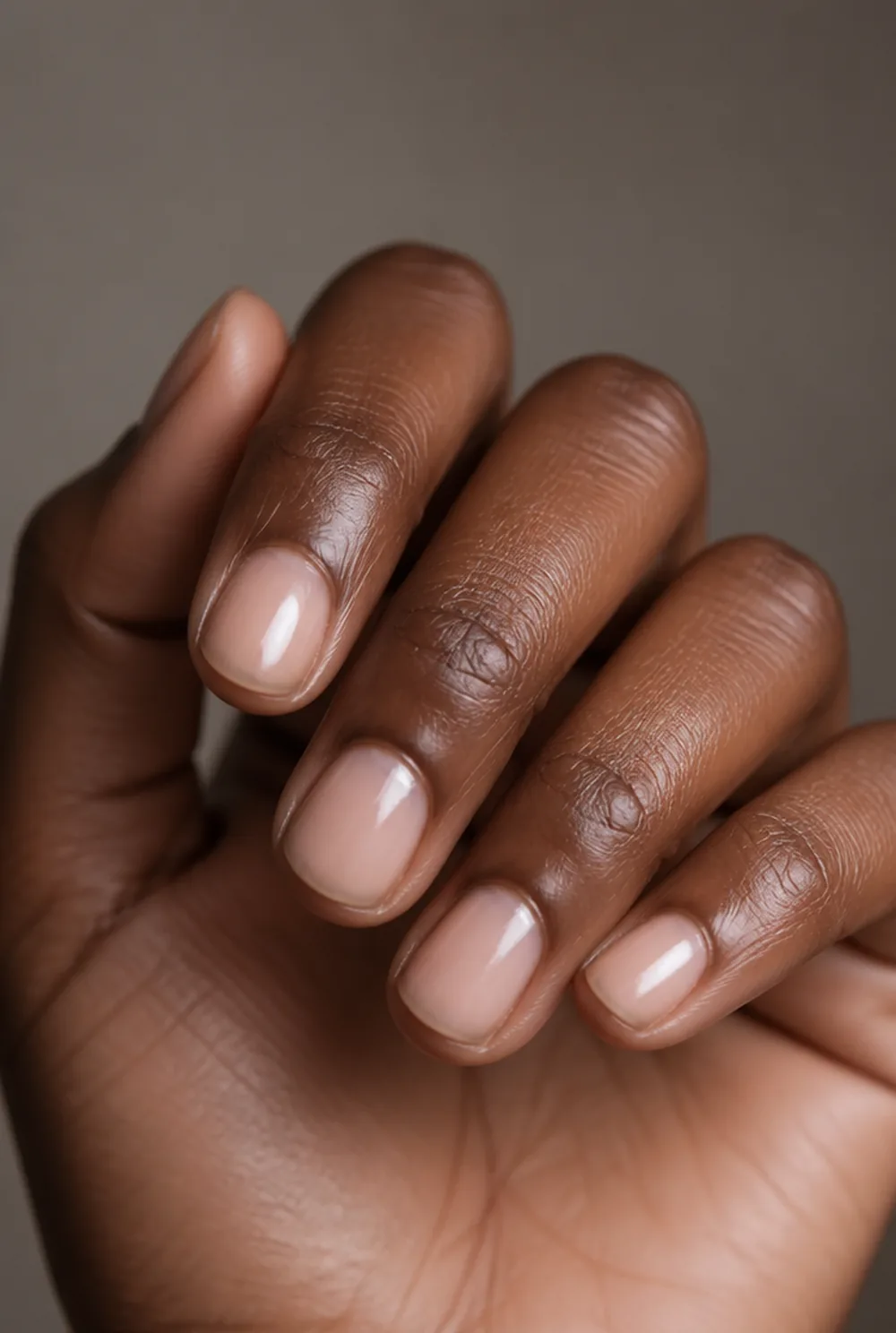
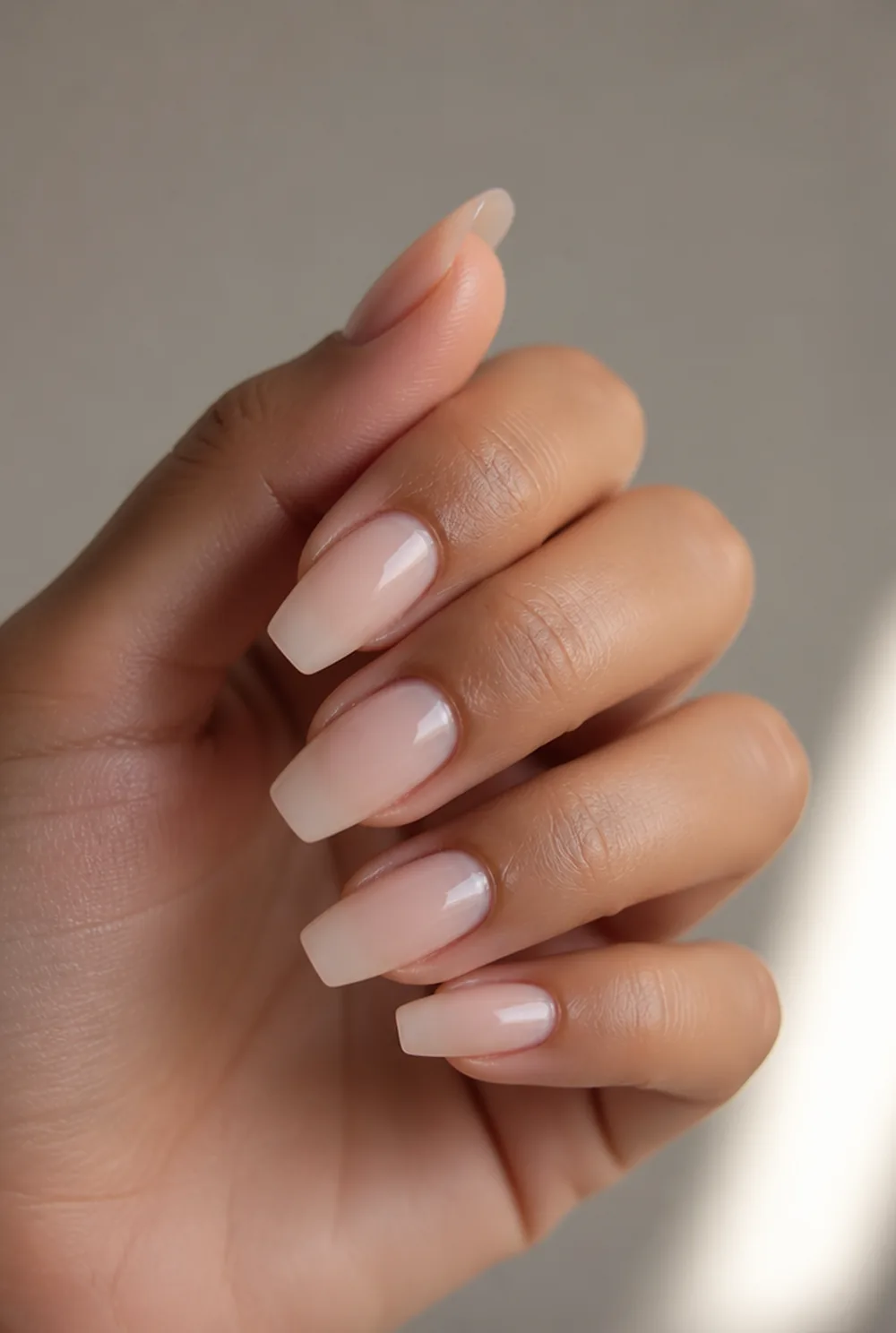
round shape following natural fingertip curve
A simple curve that follows the natural line of the fingertip, with no taper at all. It’s the shape for very short nails, since there’s no free edge to shape into anything else. Genuinely practical and it makes wide nail beds look narrower.
4. Oval
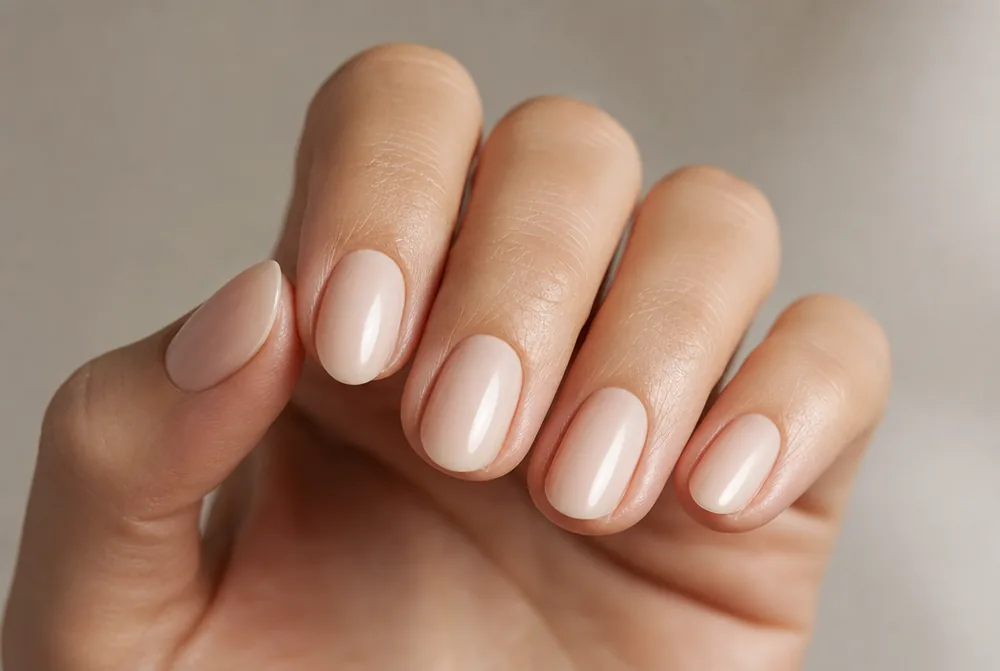
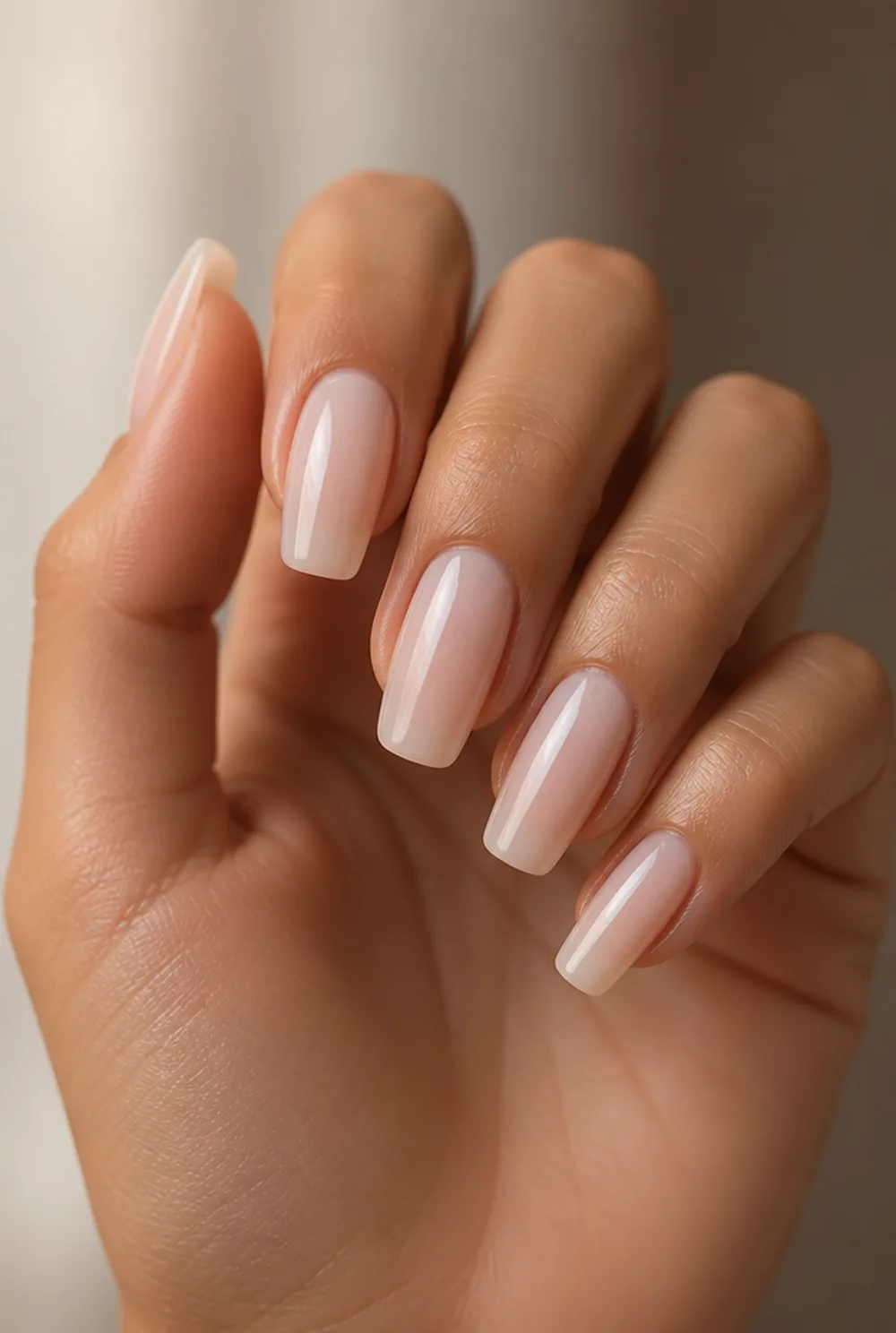
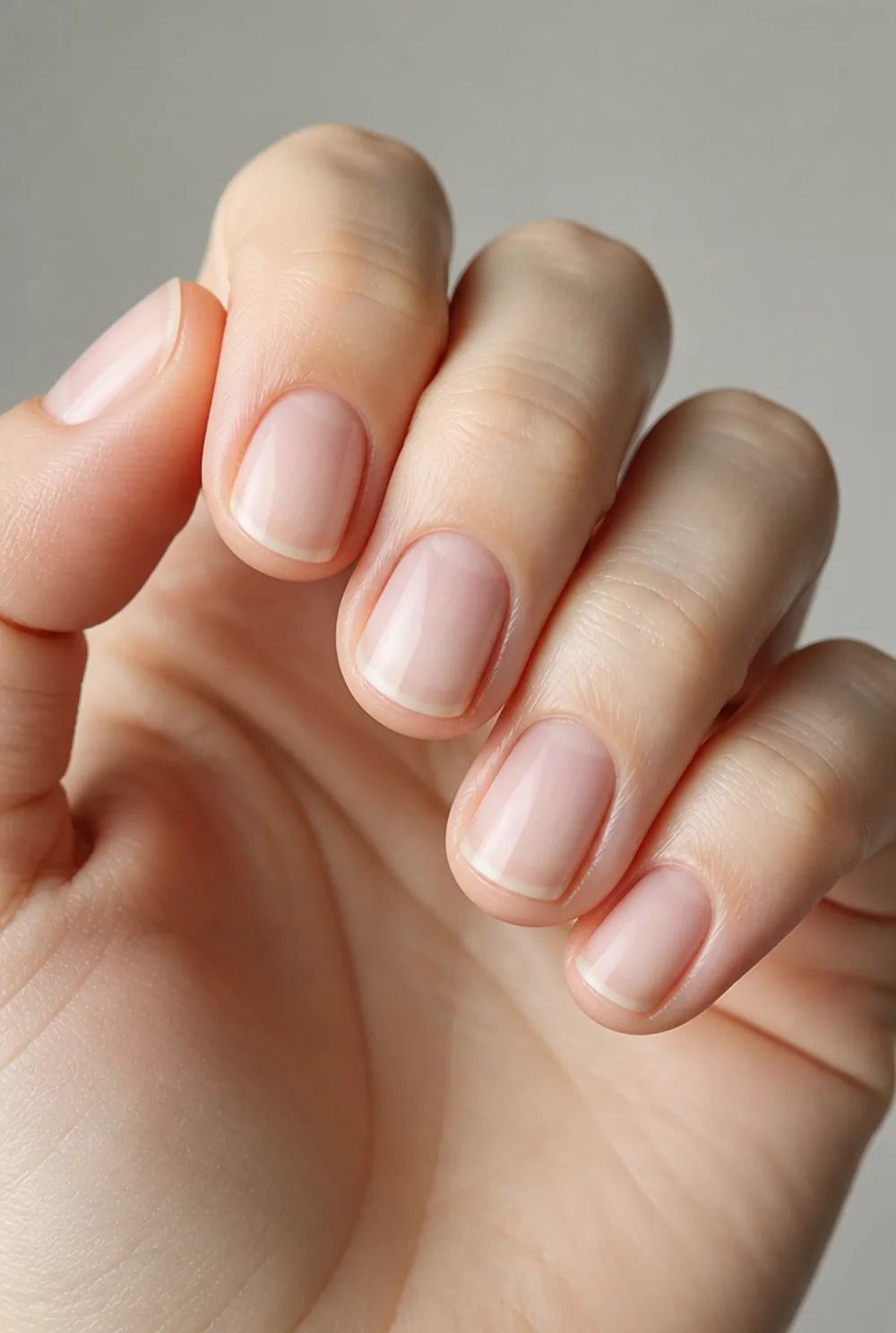
oval shape with straight sides and rounded tip
Straight sidewalls with a rounded tip, so the nail stays the same width all the way up. It looks like almond in photos and behaves differently, because there’s no taper doing the elongating. Softer and more classic than almond, and a good pick for short nail beds.
5. Almond
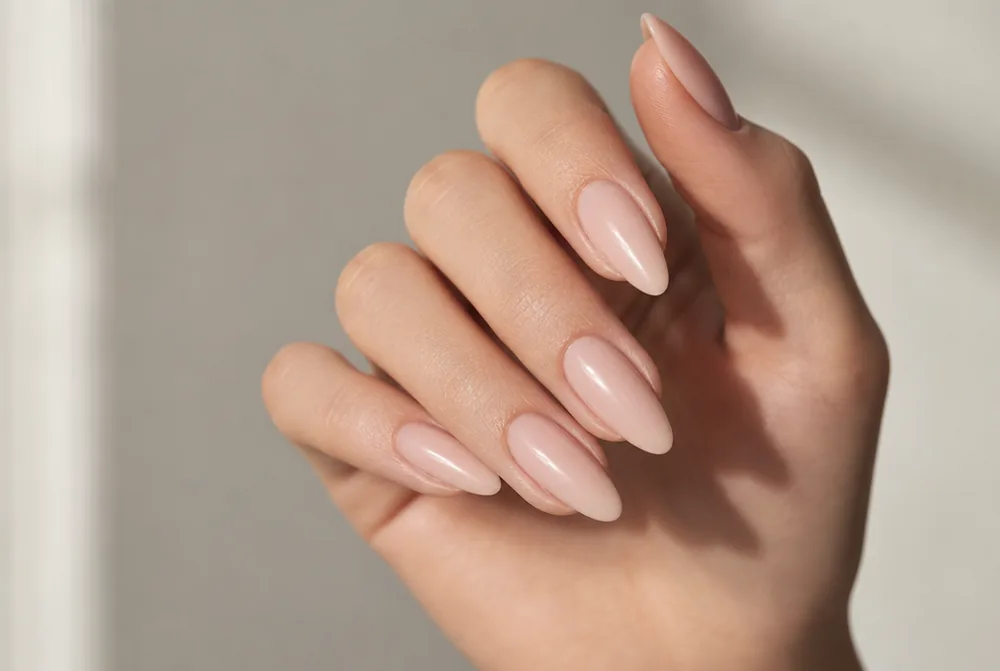


almond shape with tapered sides and soft point
Tapered sides finishing in a soft rounded point, like the nut. The taper narrows the end of the finger, which makes hands look longer, and it works at any length. It’s the most universally flattering shape and the one we recommend most.
6. Coffin (Ballerina)
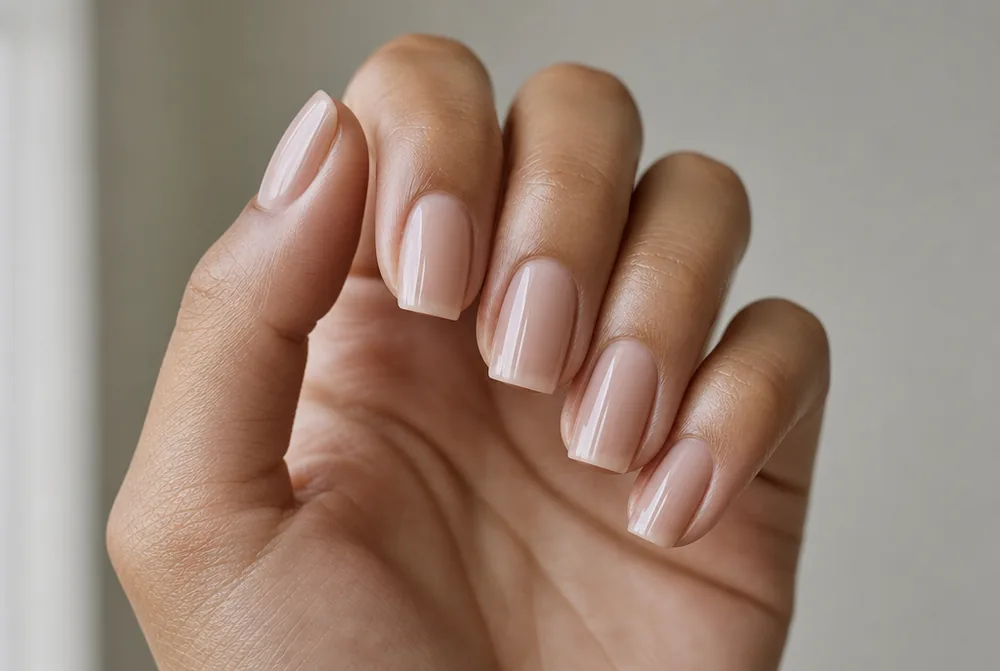


coffin shape with tapered sides and flat tip
Tapered sides with the tip filed flat rather than pointed. The flat tip is a real canvas, which is why detailed nail art looks best on this shape. It needs length to read properly and it cracks at the corners if the tip is filed too narrow. More in our coffin nail designs guide.
7. Stiletto
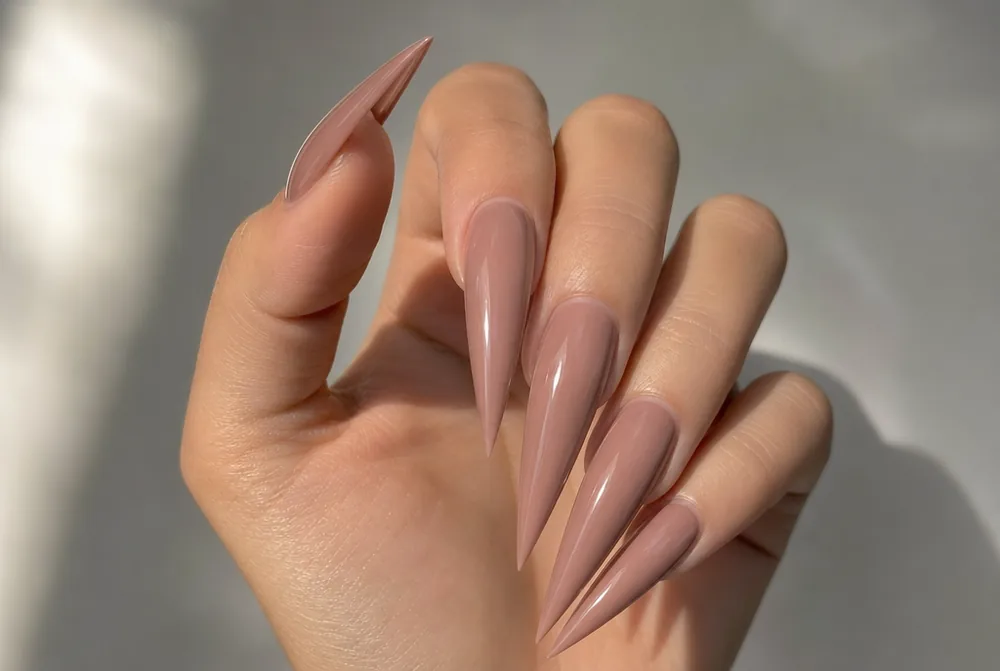
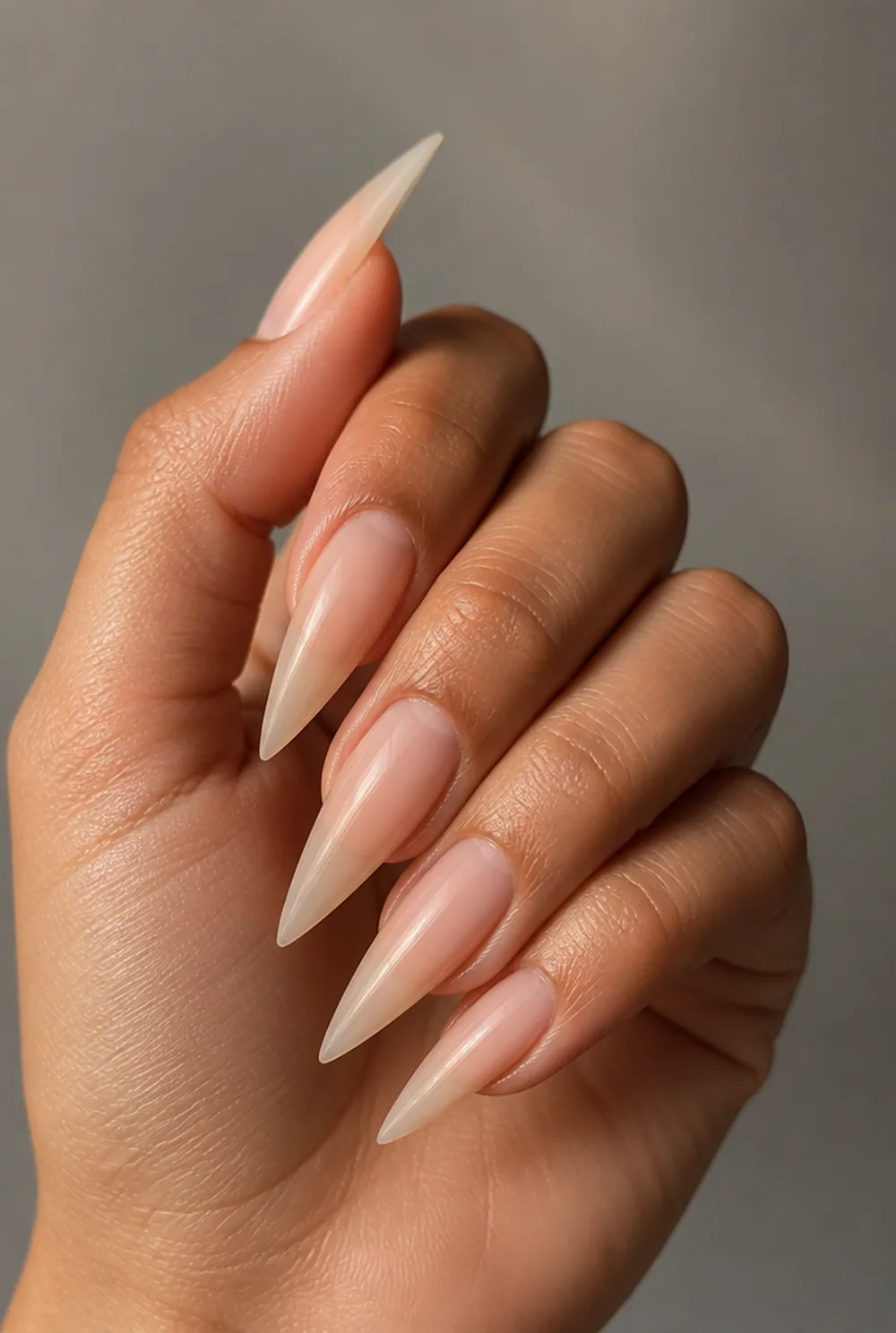
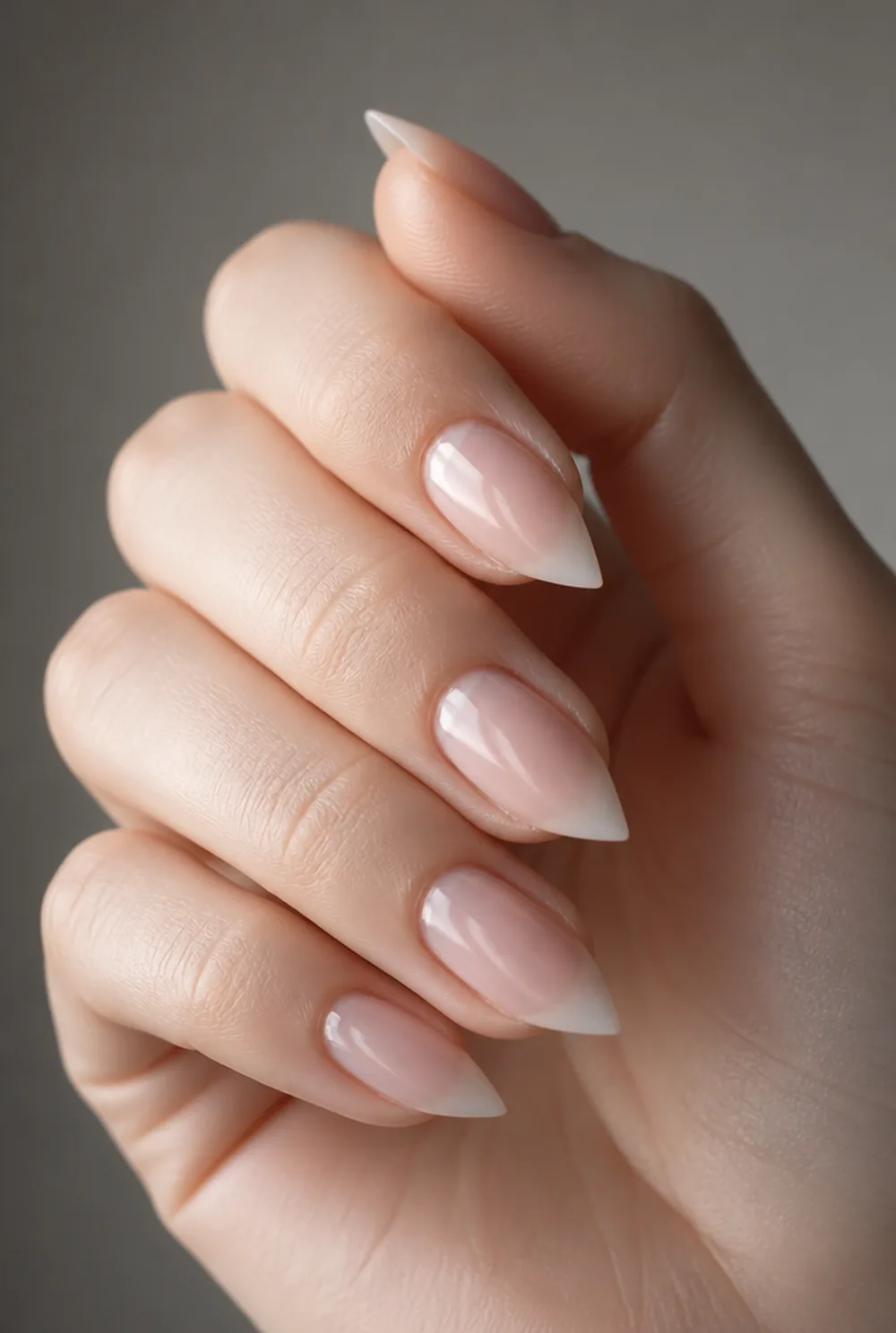
stiletto shape tapered to a sharp point
Tapered to an actual sharp point. It’s the most dramatic shape and by far the weakest, since almost nothing supports the tip. Needs extensions, needs real length, and breaks constantly on natural nails. Beautiful in photos and a genuine commitment in life. Nail artist Elissa Schell told Marie Claire that stilettos are typically not possible on natural nails, so plan on extensions.
8. Lipstick
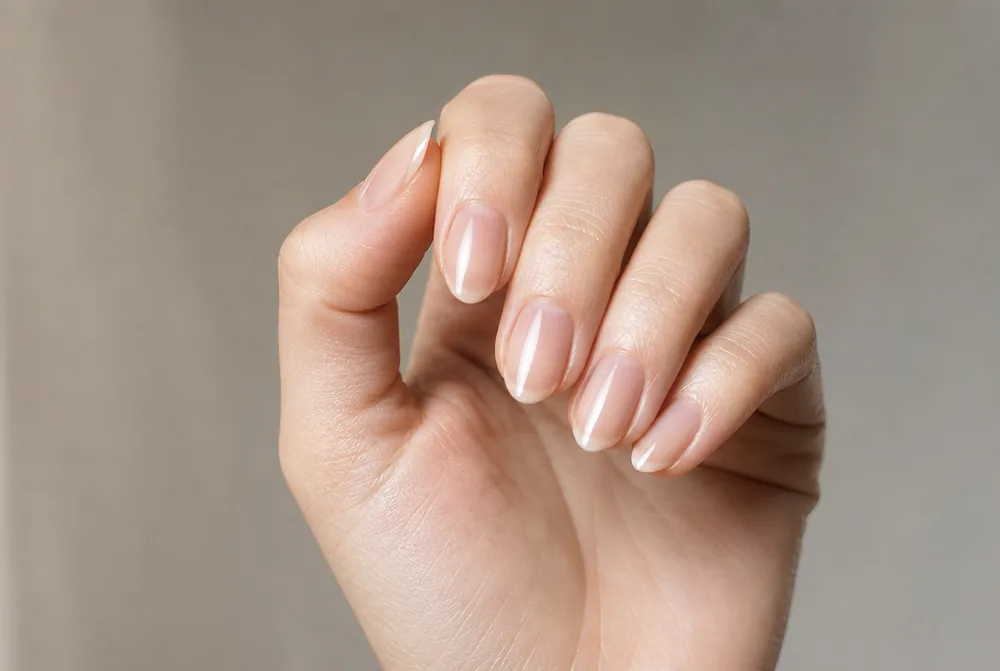

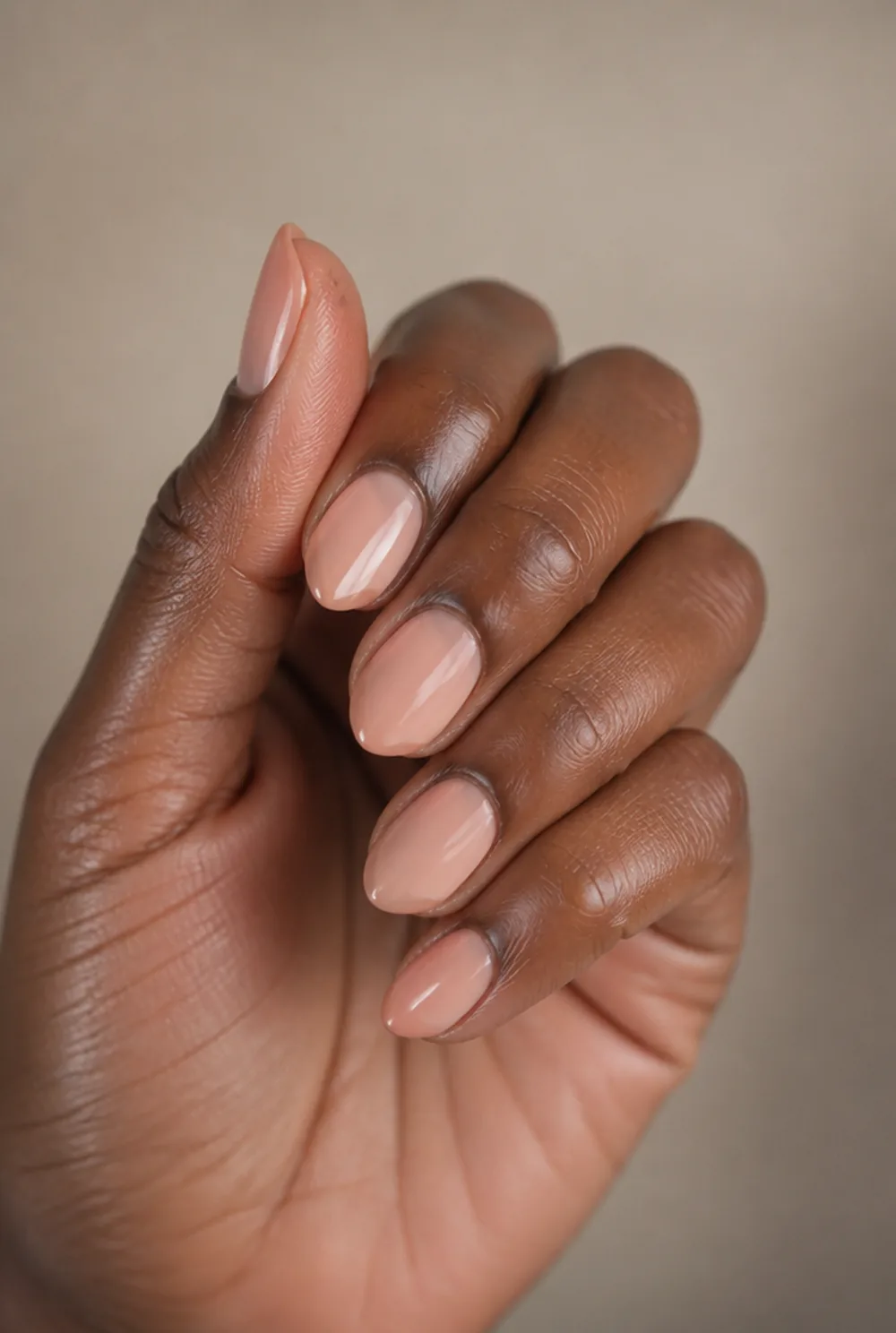
lipstick shape with diagonal angled tip
The tip filed at a diagonal, like a new lipstick bullet. It’s the rarest shape here and the most editorial. It divides people completely, and it only works if all ten nails slant in a consistent direction.
9. Flare (Duck)
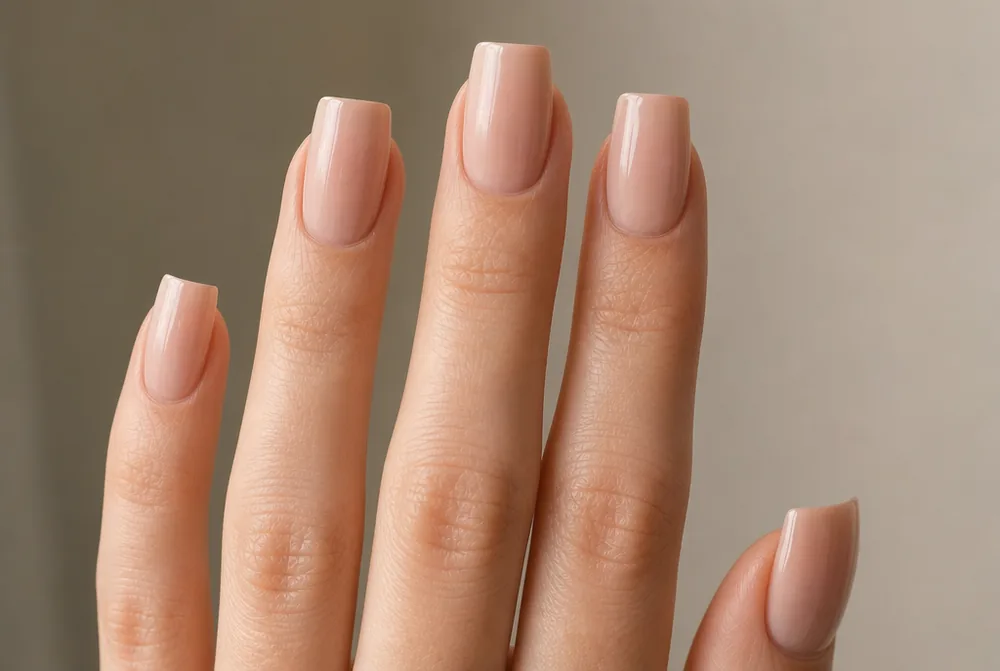

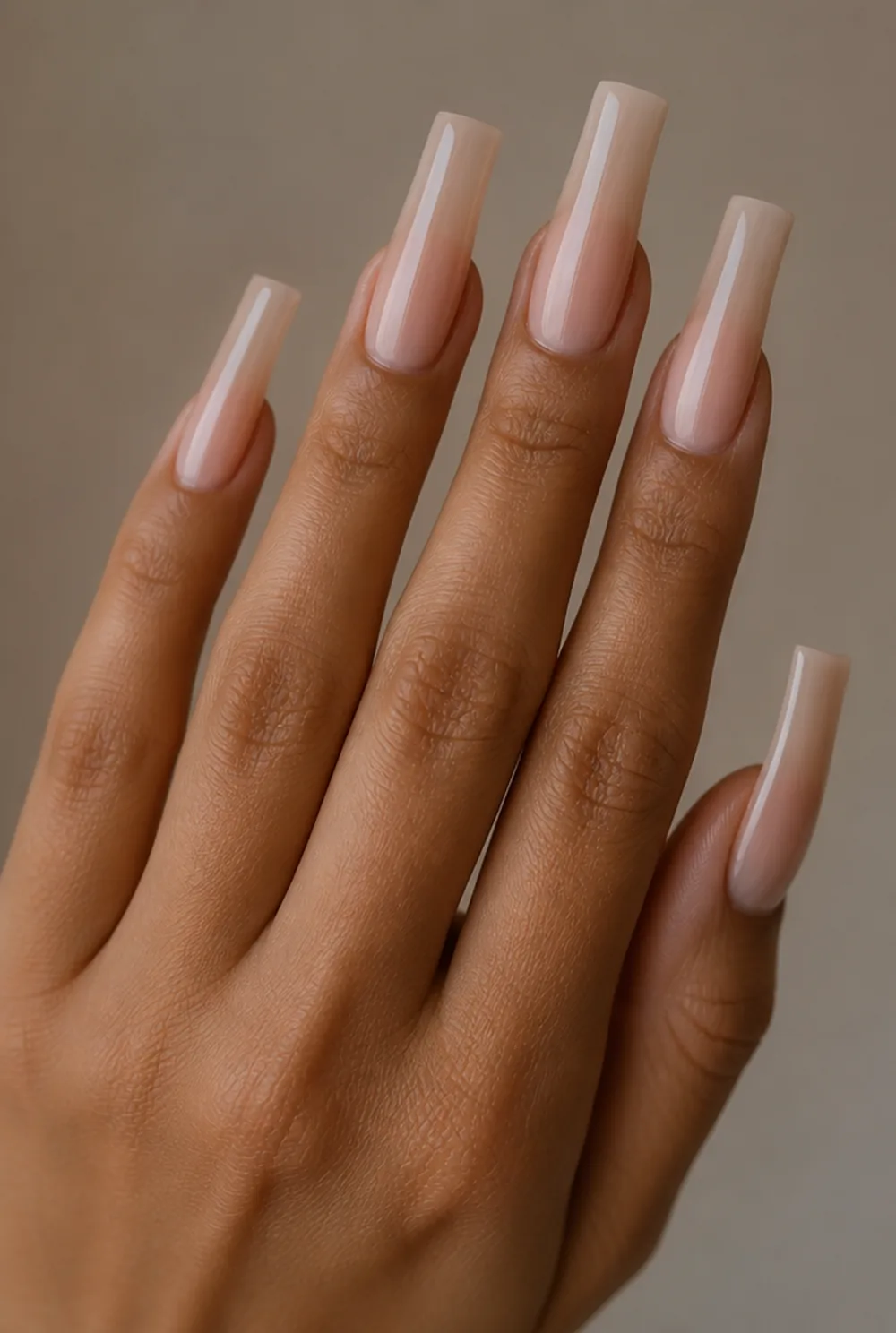
flare duck shape widening toward the tip
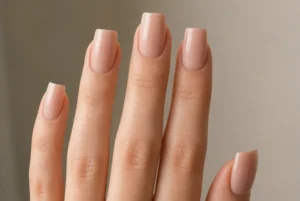
The nail widens toward the tip rather than tapering in. It had a run in the 2000s and it’s had a small revival as a deliberately retro choice. It’s structurally awkward and it needs extensions, so treat it as a statement rather than a default.
Matching nail shape to your hands
Two measurements decide most of this: the width of your nail bed and the length of your fingers. Neither takes more than a glance.
Wide nail beds look best in shapes that taper, because narrowing the sides visually narrows the nail. Almond and coffin both do this. Square on a wide nail bed emphasizes the width, which is usually not what people are after.
Narrow nail beds look best in square, squoval, and oval, all of which keep the sides straight and let the nail read at its full width. Heavy tapering on an already narrow nail can look spindly.
Short fingers want anything that elongates, which means almond first, oval second. Long fingers can carry any shape, including square and stiletto, which shorter fingers struggle with. If you have short fingers and wide nail beds, almond is the answer, and our short almond nail ideas post shows it at practical lengths.
Which shapes are strongest
If your nails break constantly, shape is probably doing more of that than your diet is. The ranking is consistent and it comes down to how much material supports the free edge.
Square and squoval are the strongest, because the corners hold the tip up. Dermatologists at the American Academy of Dermatology suggest rounding nails slightly at the tips for maximum strength, which is exactly what squoval does. Round is close behind at short lengths, since there’s barely any free edge to break in the first place.
Oval and almond sit in the middle. Almond breaks along the tapered sidewall, which is where it’s thinnest, and the fix is a gentler taper rather than a different shape entirely.
Coffin, stiletto, and flare are the weakest and all three effectively need extensions or a builder gel overlay. If you’re breaking nails on natural length, drop to squoval before you change anything else about your routine.
What to say at the salon
Shape words mean different things in different salons, which is why people leave with something they didn’t ask for. Describing the filing beats naming the shape.
For almond, say “tapered sides with a soft rounded tip, not pointed”. For coffin, say “tapered sides with a flat tip”. For squoval, say “square with the corners softened”. Those three sentences prevent most disappointments.
Say how much taper you want. Heavy tapering looks dramatic and weakens the nail; light tapering is stronger and still flatters. If you use your hands for work, ask for a gentle taper explicitly.
Bring a photo regardless. It takes ten seconds and it’s the single most reliable thing you can do. And if a tech starts filing the sidewalls in hard when you asked for square, stop them then rather than at the end.
Changing shape without starting over
You can’t file a square nail into an almond in one appointment without losing most of the length, which surprises people mid-chair.
Going from square to squoval is easy and costs nothing in length, since you’re only rounding the corners. Squoval to oval is the next easy step. Those two moves cover most people’s shape changes.
Going to almond or coffin from square means filing the sidewalls in, and there’s no way to do that without shortening the nail. Either accept the shorter length for a cycle, or grow out for a month first and shape at the next appointment.
Going shorter is always easy and going narrower is not. That’s the rule worth remembering, and it’s why picking the shape before you grow the length saves you a month.
Shape by what you do all day
The shape that suits your hands and the shape that suits your life are not always the same one, and the second one matters more.
If you type all day, short squoval or short almond are the two that won’t slow you down. Sharp square corners catch between keys and anything long changes your typing angle.
If you work with your hands, cook constantly, or have small children, go round or short squoval and keep the length under three millimeters. There’s nothing to catch and nothing to break, and our extra short nail ideas post has plenty that still look designed.
If your hands are mostly at a desk or in photos, medium almond or medium coffin will look best and hold up fine. Save stiletto and long coffin for periods where you can actually accommodate them.
How shape changes the colors that suit you
The same bottle looks like two different manicures on two different shapes, and this is the part nobody mentions when they hand you a color chart.
Square and squoval take bright and saturated colors best. The straight edge gives a bright red or a cobalt a hard boundary, which makes it read graphic rather than loud. If you love bold color, file square and keep it short.
Almond and oval suit deep, soft, and sheer shades. The taper softens anything dark, which is why blackened cherry and plum look expensive on almond and severe on a long square. Nudes also elongate best on these two, as our nude nail designs guide covers.
Coffin is where chrome, marble, and detailed art belong, because the flat tip keeps the design readable all the way to the end. On a pointed shape the pattern compresses into the tip and gets lost.
Filing your own shape at home
Shaping is the half of a manicure you can do yourself for free, and it makes more difference to how hands look than the polish does.
File all ten to the same length first, straight across, before shaping any of them. That flat reference edge is what keeps the set even, and skipping it is why home shapes come out mismatched.
File in one direction only. Sawing back and forth creates micro-tears along the free edge and those are where splits begin, which is the single most common cause of a nail that breaks for no obvious reason.
Use a glass file rather than a paper emery board. It costs about $10, lasts for years, and seals the edge as it files instead of shredding it. Check symmetry by looking down the finger head on rather than from above.
Shape and length work together
Every shape on this page reads differently at different lengths, and picking one without the other is how people end up disappointed.
At very short lengths only round, squoval, and a gently tapered almond are really available. There is not enough free edge for coffin or stiletto to exist, and asking for them anyway gets you a filed-down oval.
At medium length every shape is on the table, which is the strongest argument for medium as a default. This is also where almond and square both look their best.
At long lengths coffin and stiletto come into their own, but so does the fragility. Long shapes are exponentially weaker rather than linearly, so dropping a few millimeters often solves a breakage problem outright, and our long nail designs post covers what holds up.
FAQ
What is the most flattering nail shape?
Almond flatters the widest range of hands, because the taper narrows the end of the finger and makes the whole hand look longer, and it works at short, medium, and long lengths. Oval is the close second and is softer and slightly stronger. Square is the most flattering option specifically on long, narrow nail beds.
What nail shape is best for short nails?
Round and squoval are the two that work at very short lengths, since neither needs a free edge to shape. Short almond works too if the tech keeps the sidewalls and uses a gentle taper rather than filing them in. Coffin and stiletto both need length and won’t read properly on a short nail.
What nail shape is strongest?
Square is the strongest because the corners support the free edge, with squoval a very close second and easier to live with day to day. Round is effectively just as strong at very short lengths. Coffin, stiletto, and flare are the weakest and generally need extensions or a builder gel overlay.
What nail shape makes fingers look longer?
Almond does it best, since the taper narrows the tip of the finger and draws the eye down its length. Oval gives a milder version of the same effect. Pairing either with a nude matched to your skin tone increases the effect further, because it removes the visual break between finger and nail.
If you take one thing from this, it’s that almond suits the most hands and squoval is the safest default when you’re unsure. Once you’ve picked a shape, our medium length nails guide covers the length that works with all of them.
If you want more on this, start with stiletto nails and then brittle nails.
Three of those shapes now have guides of their own. My oval nails post covers the shape that flatters the widest range of hands, squoval nails covers the softened square that stops corners breaking, and round nails covers the strongest shape there is.
Which shape suits you depends on your hands rather than on trend. My nail shape for short fingers post covers lengthening a hand, and nail shape for wide nail beds covers narrowing a broad nail without weakening it.