
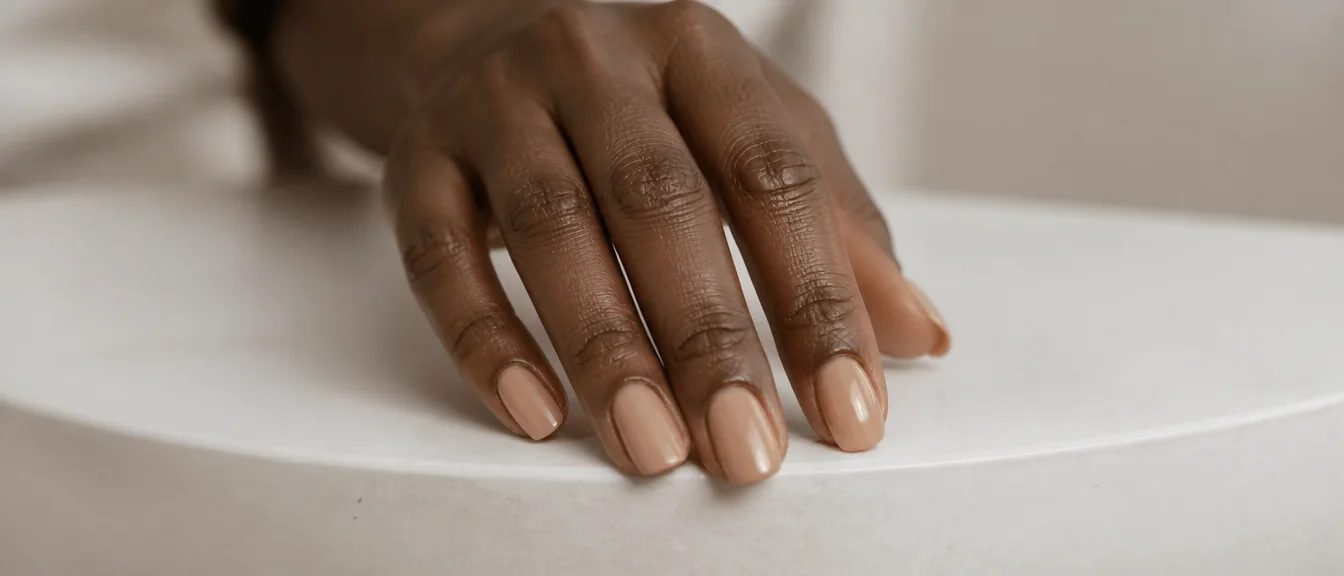
The best nail shape for wide nail beds is an oval, with almond as the more dramatic version. Both file the sides inward, which pulls the visual width toward the center of the nail and makes a broad bed look narrower. A square does the opposite by keeping full width all the way to the tip.
Here is how to file for that effect without weakening the nail, the mistake that turns a narrowing shape into a breakage problem, and what to do about the sidewalls. My nail shapes guide compares every shape side by side.
What a wide nail bed actually is
It is worth separating two things that get confused, because they need different answers.
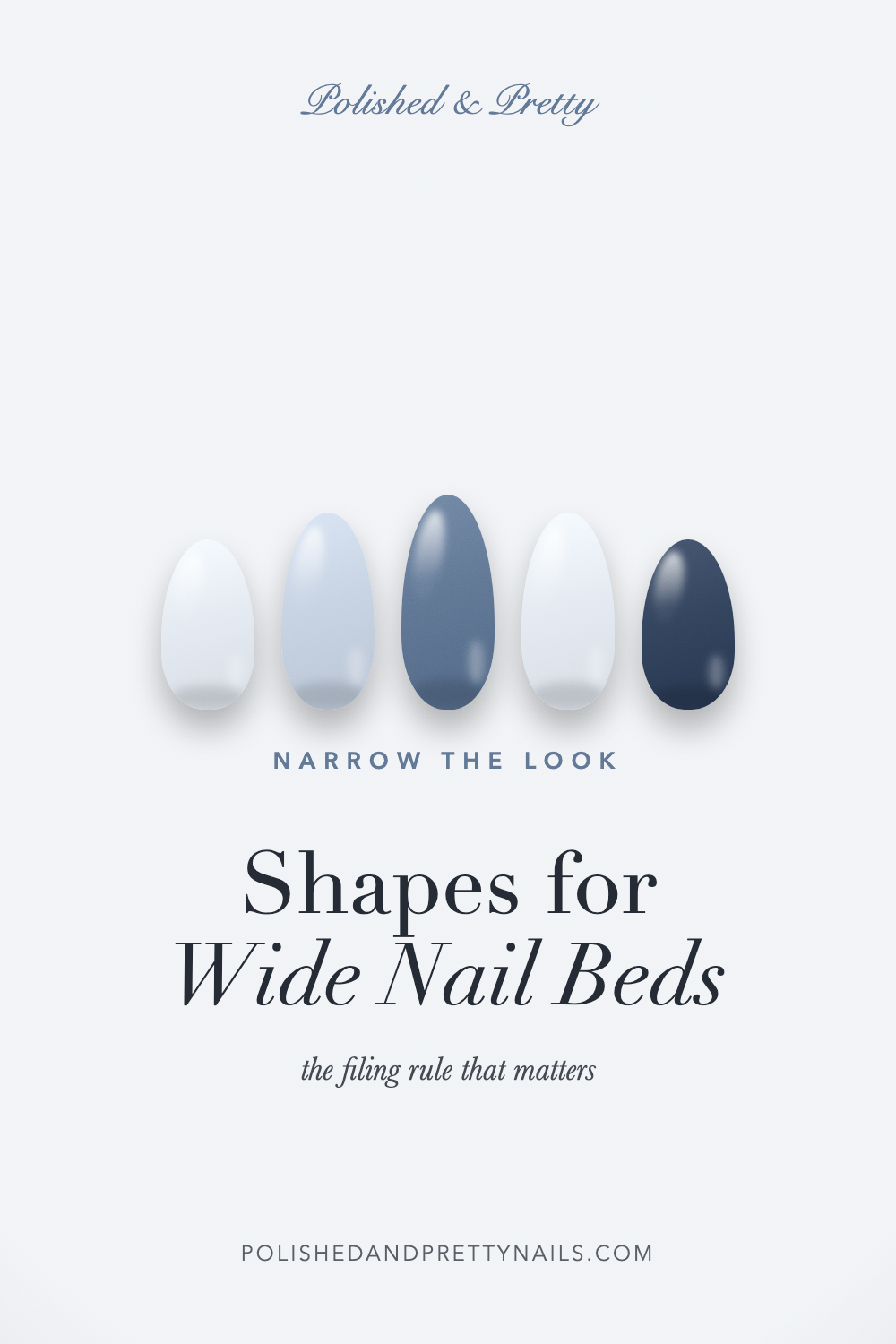
A wide nail bed means the pink part of your nail is broader than it is long. It is a proportion rather than a size, and it is extremely common, particularly on thumbs and index fingers. It is entirely normal and has nothing to do with nail health.
A flat nail is different. That is about the curve across the nail, or lack of one, viewed end-on. Flat nails can be narrow and wide beds can be strongly curved. Flat nails have their own issues with polish pooling and press-on fit.
This post is about width. If your nails are wide because they are bitten short, the fix is length rather than shape.
Why oval works
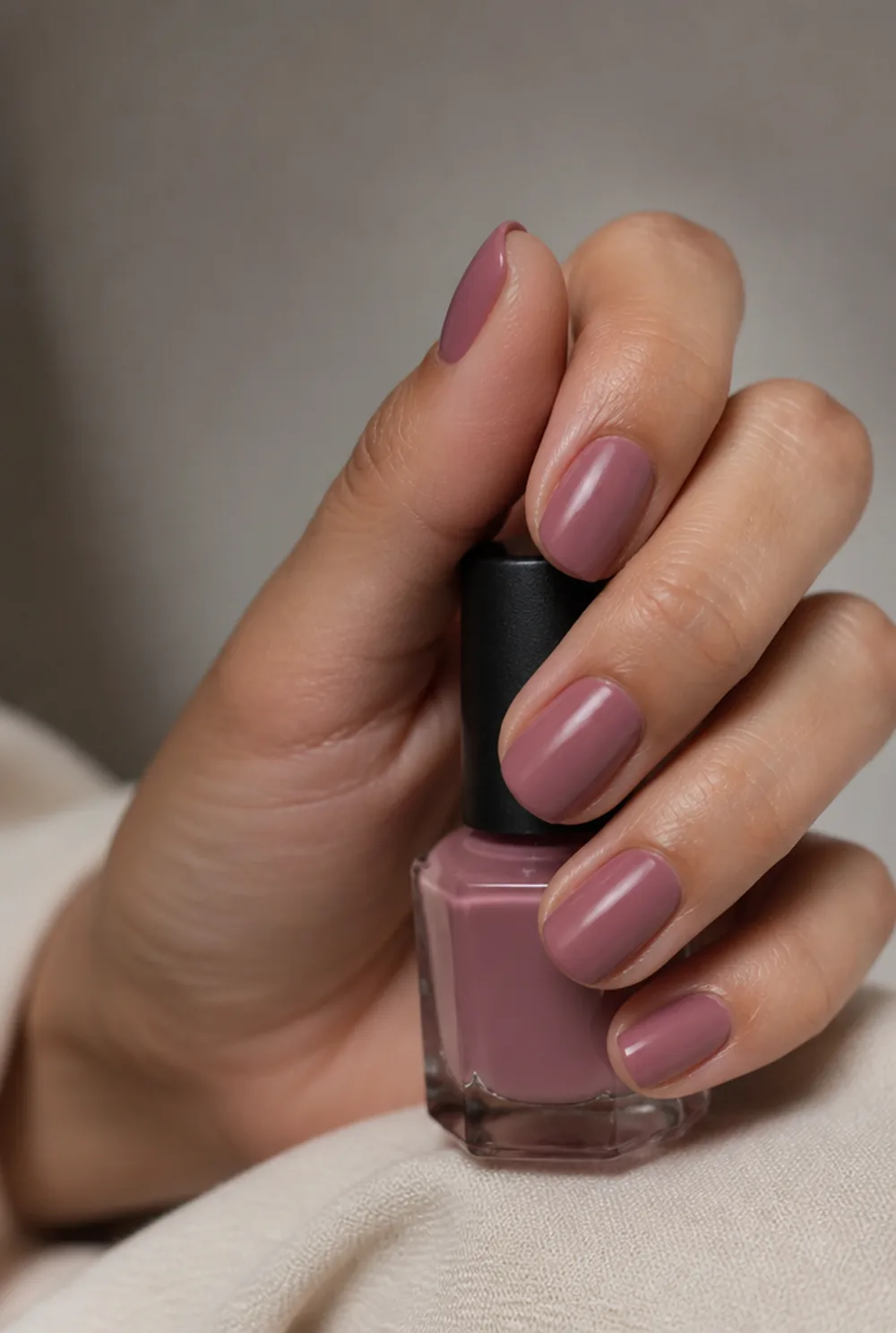
Oval is the shape that directly addresses the proportion.
Filing the sides inward removes width at exactly the point where the nail is widest, and the tip curve then continues that taper. The result is a nail whose outline is longer than it is wide, even when the bed underneath has not changed at all.
It also matches the curve of your cuticle, so the whole nail reads as one continuous shape rather than a rectangle sitting on a curved base. That agreement between the two ends is a large part of why oval flatters so widely.
My oval nails post covers the shape and how to file it.
Almond for a stronger effect
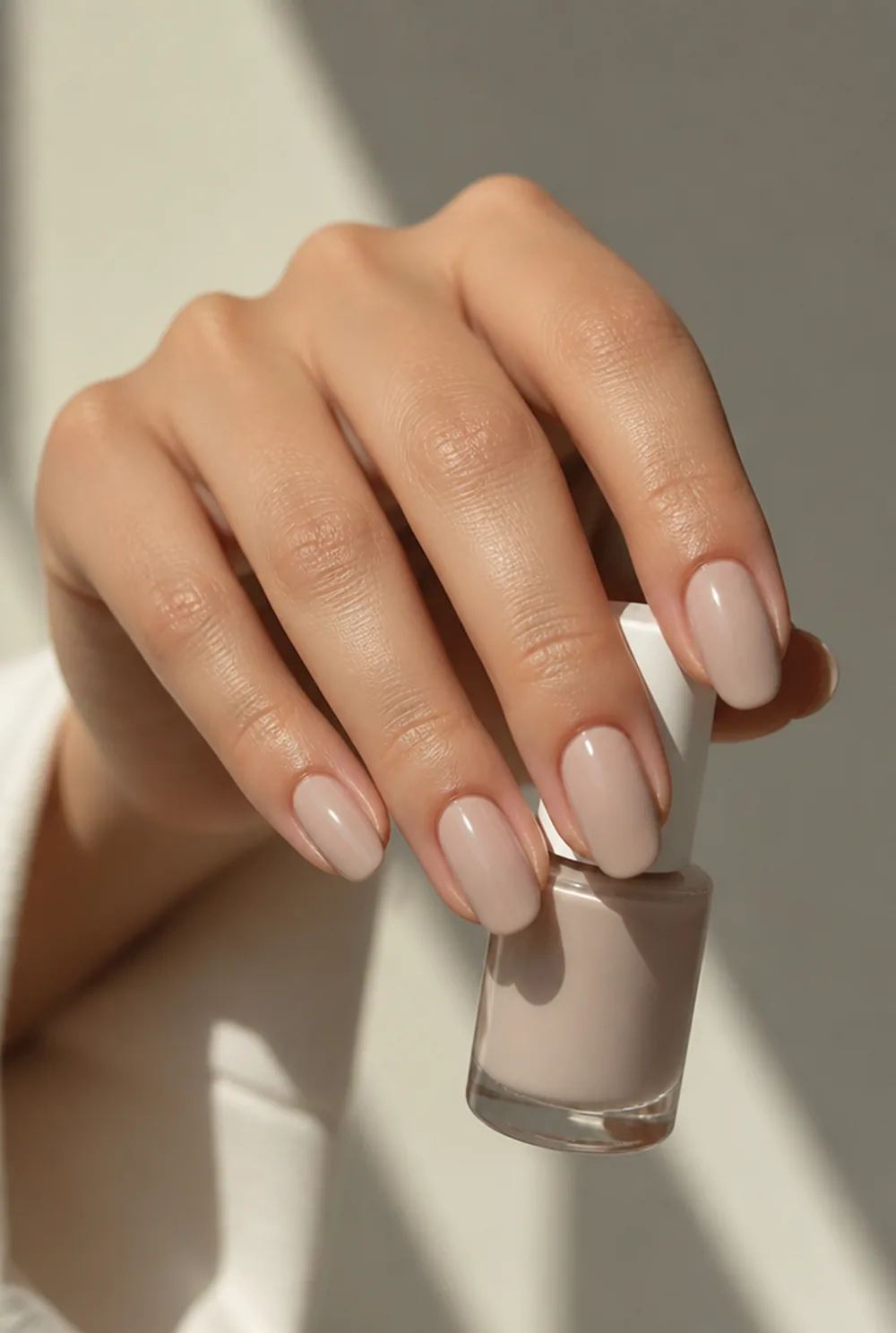
If oval is not narrowing enough, almond takes the same idea further.
The sides are filed in more aggressively and the tip comes to a soft point, so the taper is much more pronounced. On a genuinely broad nail bed this is the most transforming shape available.
The cost is fragility, because all the wear lands on a narrow tip. It also needs more length to work, usually 4mm or more, which not everyone can grow.
On wide beds specifically, almond is worth doing in gel rather than on bare nails, because the amount of side filing involved is what weakens the nail most. My almond nail designs post covers it.
The filing mistake that causes breakage
This is the most important thing on the page, because the shape that narrows a nail is also the one most likely to break it.
There is a point on each side of the nail where the pink of the nail bed ends and the free edge begins. That point is the stress point, and it carries most of the load when you press down on the nail.
Filing above that point, into the part still attached to the bed, narrows the nail exactly where it needs to be strongest. The nail then breaks at the side within a fortnight, usually with a painful split rather than a clean snap.
Keep the sidewalls straight up to the stress point and only shape what sits past it. You get a slightly less dramatic taper and a nail that survives.
What to avoid
Square is the shape that makes a wide bed look widest.
Straight sides preserve every millimeter of width, and the flat tip adds a horizontal line that emphasizes it. Sharp corners push the outline out even further than the nail itself. On a broad bed, a square nail can look almost as wide as it is long.
Squoval is a small improvement, since the softened corners take the sharpest edges off, and it still keeps full width.
Round is not ideal either, for a different reason. Round only curves the tip and leaves the sides straight, so it keeps the width while shortening the outline, which is the worst combination for this proportion.
Getting the sidewalls clean
On wide nails, the sidewalls do more for the look than the tip does, and they get ignored.
The groove where the nail meets the skin down each side often has dead skin and cuticle sitting in it. That buildup makes the nail look wider, because the visual edge of the nail is pushed outward by whatever is beside it.
Push the skin back gently along the sidewalls after a shower, not just at the cuticle. A clean, defined sidewall makes a nail look noticeably narrower with no filing at all.
Then leave a hairline gap of bare nail down each side when you paint, which reinforces the same line. My painting nails neatly post covers that.
Colors and designs that narrow
Color placement can do as much as filing, and it does not weaken anything.
Leaving a thin bare margin down each side and painting only the center of the nail is the strongest trick available. It creates a narrow stripe of color on a wider nail, and the eye reads the color as the nail. Done subtly it does not look like a design at all.
Vertical lines work for the same reason. A single thin line down the center, or two lines close together, pull the eye lengthwise.
Avoid anything horizontal. Wide French tips, color blocks across the tip, and horizontal stripes all emphasize width. If you want a French, keep it under 2mm and follow the curve of the tip. My minimalist nails post has designs that suit this.
What to ask for at the salon
Say that your nail beds are wide and that you want them to look narrower. Technicians deal with this constantly and it saves a lot of explaining.
Ask for a soft oval or almond, and specifically ask them to keep the sidewalls straight to the stress point. That phrase tells them you know the risk and gets you a shape that lasts.
If you are getting extensions, wide beds are one of the cases where they genuinely help, because a tip can be narrower than your natural nail and built out from there. My gel vs dip vs acrylic post compares the systems.
FAQ
What nail shape is best for wide nail beds?
Oval, or almond for a stronger effect. Both file the sides inward, which removes width where the nail is broadest and makes the outline longer than it is wide. Keep the sidewalls straight up to the stress point so the nail does not weaken.
How do you make wide nails look narrower?
File to an oval or almond, keep the sidewalls clean and pushed back, and leave a thin bare margin down each side when painting so the color forms a narrower stripe than the nail. Vertical lines help; wide French tips and horizontal designs make it worse.
Why do my nails break at the sides?
Almost always filing too far down the sidewall, past the point where the pink of the nail bed ends. That narrows the nail where it carries the most load. File only the free edge past that stress point and keep the attached sides straight.
Are square nails bad for wide nail beds?
They are the least flattering option, because straight sides keep every millimeter of width and the flat tip adds a horizontal line that emphasizes it. Squoval is a slight improvement. Round is also poor here, since it shortens the outline while keeping the width.
Clean sidewalls and a thin bare margin when you paint will do more than you expect before you file anything. My nail shape for short fingers post covers the related question.