The French manicure has stood the test of time as one of the most elegant and versatile nail designs in beauty history.
When it comes to a French manicure for mature hands, this classic style offers a particularly flattering option that enhances natural beauty while maintaining sophistication. As we age, our hands undergo various changes, but with the right techniques and adaptations, a French manicure can become your signature look that radiates confidence and grace at any age.
Understanding How Hands Change with Age- The Key Behind A French Manicure For Mature Hands
Before diving into the perfect French manicure techniques for mature hands, it’s essential to understand the natural aging process. As we age, our hands experience several changes that affect both skin and nails.
The skin becomes thinner and may develop age spots, while veins become more prominent. Nails may grow more slowly, become brittle, and develop ridges or yellowing. These changes are entirely natural and shouldn’t discourage anyone from enjoying beautiful manicures.
The key to achieving stunning results lies in adapting traditional techniques to work harmoniously with these changes. By understanding what happens to our hands over time, we can make informed choices about nail care and design that enhance rather than highlight areas of concern.
Preparing Mature Hands for the Perfect French Manicure
Essential Hand Care Routine
Preparation is crucial for achieving a flawless French manicure on mature hands. Start with a comprehensive hand care routine that addresses the specific needs of aging skin. Regular exfoliation helps remove dead skin cells and promotes circulation, giving hands a more youthful appearance. Use a gentle scrub twice weekly, focusing on areas prone to dryness.
Moisturizing is perhaps the most critical step in hand care for mature skin. Choose rich, nourishing creams containing ingredients like hyaluronic acid, glycerin, and ceramides. These components help restore moisture and improve skin elasticity. Apply hand cream multiple times throughout the day, especially after washing hands, and consider using a heavier overnight treatment for intensive hydration.
Nail Preparation Techniques
Proper nail preparation ensures your French manicure looks professional and lasts longer. Begin by removing any existing polish with an acetone-free remover to prevent further drying of the nails. Soak hands in warm water with a few drops of olive oil for five minutes to soften cuticles and hydrate the nail bed.
Gently push back cuticles using a wooden orange stick or rubber-tipped pusher. Avoid cutting cuticles, as mature skin heals more slowly and is more prone to infection. Instead, use a cuticle oil or cream to keep them soft and manageable. File nails into your desired shape, keeping in mind that shorter, rounded nails often look more elegant on mature hands and are less prone to breaking.
Choosing the Right French Manicure Style for Your Hands
Classic vs. Modern Variations
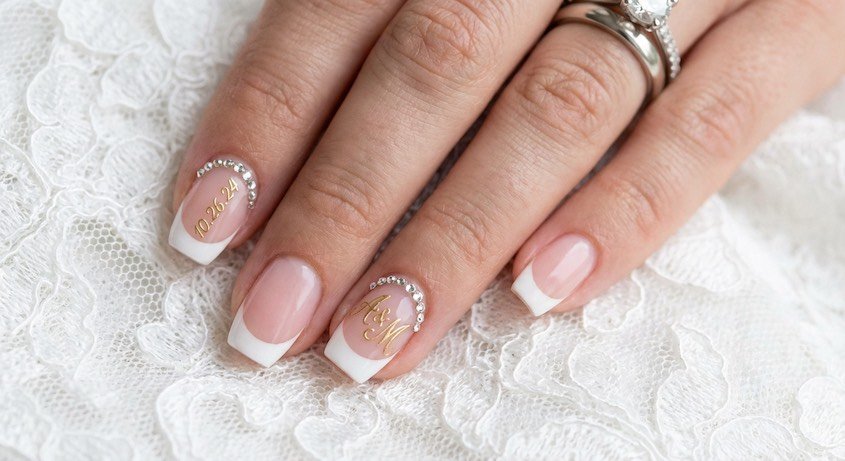
While the traditional French manicure features stark white tips on a nude or pink base, mature hands often benefit from softer, more subtle variations. Consider these flattering alternatives:
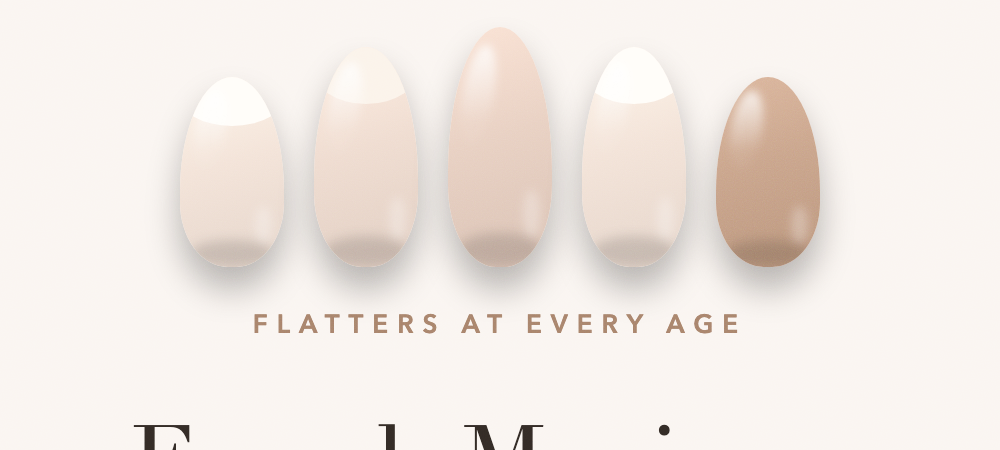
Soft French: Replace bright white tips with off-white, cream, or beige shades that create a gentler contrast against the base color. This variation looks particularly elegant on hands with more pronounced veins or age spots.
Nude-on-Nude: Use two complementary nude shades, with the tip color just slightly lighter than the base. This creates a sophisticated, understated look that elongates fingers and minimizes imperfections.
Reverse French: Apply the accent color to the moon (lunula) area instead of the tips. This style draws attention away from any nail imperfections and creates a vintage-inspired look.
Color Selection for Flattering Results
Choosing the right colors is crucial for a flattering French manicure on mature hands. Opt for base colors with warm undertones that complement your skin tone. Peachy-pinks, warm beiges, and soft roses tend to be universally flattering and help minimize the appearance of veins and age spots.
Avoid colors that are too cool or stark, as these can emphasize skin imperfections. If you have significant yellowing of the nails, choose base colors with slight pink undertones to neutralize the yellow cast. For the tips, consider alternatives to pure white such as ivory, champagne, or soft pearl shades that provide definition without harsh contrast.
Application Techniques for Professional Results
Base Coat Selection and Application
A quality base coat is essential for mature nails, serving multiple purposes beyond just polish adhesion. Look for base coats specifically formulated for aging nails that contain strengthening ingredients like keratin, calcium, or biotin. Ridge-filling base coats are particularly beneficial, as they create a smooth canvas for polish application.
Apply the base coat in thin, even strokes, starting from the center of the nail and working outward. Allow it to dry completely before proceeding with color application. This patience pays off in a longer-lasting, more professional-looking manicure.
Perfecting the French Tip
Creating the perfect French tip requires steady hands and the right technique. For mature hands that may experience slight tremors or reduced dexterity, consider these helpful methods:
Guide Method: Use French manicure guides or strips to create precise, even tips. Position them carefully, ensuring they follow the natural smile line of your nails. Press down firmly to prevent polish from seeping underneath.
Freehand Technique: If you prefer freehand application, rest your painting hand on a stable surface and use your pinky finger as an anchor. Make three strokes: one on each side and one in the center. Don’t worry about perfection – small imperfections can be cleaned up with a small brush dipped in polish remover.
Stamp Method: French manicure stamps offer another option for creating consistent tips. Simply dip the curved edge in polish and rock it across the nail tip for an instant French look.
Creating Smooth, Even Coverage
Achieving smooth, streak-free coverage becomes more challenging as nails develop ridges and texture changes. Apply polish in thin layers rather than one thick coat. This approach not only provides better coverage but also reduces drying time and minimizes the risk of smudging.
Use the three-stroke method for base color application: one stroke down the center, followed by one on each side. Avoid overworking the polish, as this can create streaks and bubbles. If you notice any imperfections after the first coat, resist the urge to fix them immediately. Often, a second thin coat will even out minor issues.
Special Considerations for Common Nail Concerns
Addressing Brittle Nails
Brittle nails are a common concern for mature hands, but they shouldn’t prevent you from enjoying a beautiful French manicure. Incorporate nail-strengthening treatments into your routine, using products containing proteins, vitamins, and minerals that support nail health. Apply these treatments as directed, typically as a base coat or standalone treatment between manicures.
Keep nails shorter to reduce breakage risk, and file in one direction only to prevent splitting. Consider using gel or dip powder systems for French manicures, as these can provide additional strength and protection for fragile nails.
Managing Ridges and Texture
Vertical ridges become more pronounced with age, potentially affecting the smooth appearance of your French manicure. Address this concern with a ridge-filling base coat that creates an even surface. For deeper ridges, gentle buffing can help, but avoid over-buffing, which can thin already fragile nails.
Some mature clients find that a subtle shimmer or pearl finish in their base color helps disguise ridges while adding an elegant dimension to their manicure. This technique works particularly well with French manicures, as the shimmer catches light and draws attention away from imperfections.
Dealing with Discoloration
Nail discoloration, whether from aging, medication, or lifestyle factors, can affect the appearance of a French manicure. Combat yellowing with a color-correcting base coat containing optical brighteners or purple pigments that neutralize yellow tones. For stubborn stains, a professional nail whitening treatment before your manicure can make a significant difference.
When selecting your French manicure colors, choose base shades with enough opacity to provide good coverage without appearing thick or unnatural. Two thin coats of a quality polish usually provide better coverage than one thick coat.
Maintenance and Longevity Tips
Daily Care for Extended Wear
A French manicure on mature hands can last up to two weeks with proper care. Protect your manicure by wearing gloves during household tasks, especially when using cleaning products or gardening. Apply cuticle oil daily to maintain nail flexibility and prevent chipping around the edges.
Reapply a thin layer of top coat every 2-3 days to refresh shine and seal any minor chips. This simple step can significantly extend the life of your manicure and keep it looking fresh.
Quick Touch-Up Techniques
Minor chips and wear are inevitable, but they don’t mean you need to remove your entire manicure. Keep a small bottle of your tip color handy for quick touch-ups. Use a thin brush to carefully fill in chips, then seal with top coat. For base color chips, apply a small amount of polish to the affected area, feather the edges to blend, and finish with top coat.
Professional vs. At-Home French Manicures
When to Seek Professional Services
While many mature individuals successfully create beautiful French manicures at home, certain situations warrant professional assistance. If you have significant nail concerns, mobility issues, or simply want to treat yourself, a professional manicurist can provide expert care and results.
Professional services offer advantages such as specialized tools, a wider color selection, and techniques like gel or dip powder applications that may be challenging to replicate at home. Many salons now offer services specifically tailored to mature clients, with comfortable seating and extra attention to gentle handling.
Creating a Salon-Quality Experience at Home
For those who prefer at-home manicures, investing in quality tools and products makes a significant difference. Essential items include a good LED or UV lamp if using gel polishes, quality files and buffers, and a comfortable workspace with good lighting. Consider purchasing a manicure lamp that provides bright, direct light to compensate for any vision changes.
Create a relaxing atmosphere with soft music and comfortable seating. Take your time – rushing leads to mistakes and diminishes the self-care aspect of the experience.
Embracing Your Unique Beauty
The most important aspect of any French manicure for mature hands is confidence. Your hands tell the story of your life – they’ve worked hard, created beautiful things, and deserve to be celebrated. A well-executed French manicure enhances your natural elegance without trying to hide the passage of time.
Remember that perfection isn’t the goal – enhancement is. Choose styles and colors that make you feel confident and beautiful. Whether you prefer classic white tips or modern variations, the best French manicure is one that makes you smile when you look at your hands.
Conclusion
A French manicure remains one of the most flattering nail styles for mature hands, offering endless possibilities for customization and personal expression. By understanding the unique needs of aging hands and nails, selecting appropriate colors and techniques, and maintaining proper care routines, you can achieve beautiful, long-lasting results that enhance your natural elegance.
Whether you choose to visit a professional or create your French manicure at home, the key lies in patience, practice, and self-care. Your hands deserve the same attention and care you give to other aspects of your appearance. With these tips and techniques, you can confidently wear French manicures that celebrate your style and grace at every age.
Remember, beautiful hands aren’t defined by age but by the care and attention we give them. Embrace the journey, experiment with different variations, and most importantly, enjoy the process of creating something beautiful that reflects your unique personality and style.
Neutrals and soft shapes flatter mature hands most, so start with my nude nail designs guide and the nail shapes guide for the shape that suits your fingers. If this was useful, my matte nails guide and my brittle nails guide cover the next step.