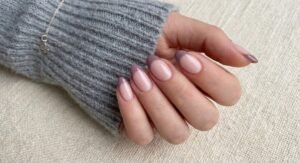
The classic French manicure has been a staple of elegance and sophistication for decades, but the modern gel version takes this timeless look to new heights. While many believe that achieving a flawless gel French manicure requires a trip to the salon and a hefty price tag, the truth is that with the right knowledge, tools, and technique, you can create stunning professional results in the comfort of your own home.
Understanding the Gel Revolution: Why Gel French Manicures Are Worth Mastering
Before diving into the how-to, it’s essential to understand what makes gel polish so special and why it’s become the gold standard for long-lasting manicures. Unlike traditional nail polish, gel formulations cure under LED or UV light, creating a durable, chip-resistant finish that can last up to three weeks with proper care.
Gel vs. Regular Polish: A Comprehensive Comparison
Durability: Gel polish wins hands down in the longevity department. While regular polish might chip within 2-3 days of application, gel manicures maintain their pristine appearance for 14-21 days on average. This extended wear time makes gel particularly valuable for French manicures, where any imperfection in the white tips becomes immediately noticeable.
Drying Time: Traditional polish requires 20-30 minutes of careful waiting to avoid smudges, plus several hours for complete hardening. Gel polish cures in just 30-60 seconds under an LED lamp, eliminating the risk of accidental smudging and allowing you to resume normal activities immediately.
Shine Factor: Gel polish delivers an unparalleled high-gloss finish that doesn’t dull over time. Regular polish, even with a quality top coat, tends to lose its luster after a few days of wear.
Removal Process: This is where regular polish has an advantage. While standard polish removes easily with acetone, gel requires a more involved removal process involving soaking and gentle scraping. However, the extended wear time of gel often makes this trade-off worthwhile.
Cost Consideration: Initially, gel requires a larger investment in equipment (primarily the LED/UV lamp). However, when you calculate the per-manicure cost over time, especially considering salon prices of $35-60 for a gel French manicure, the home setup pays for itself within just a few applications.
Essential Tools and Products for Your Home Gel French Manicure
Success with at-home gel manicures begins with having the right tools. Here’s your comprehensive shopping list:
Core Equipment
LED or UV Lamp: This is your most important investment. LED lamps cure faster (30-60 seconds) and last longer than UV lamps (2-3 minutes cure time). Look for lamps with at least 36 watts of power for efficient curing. Models with motion sensors and timer settings offer added convenience.
Gel Polish System: A complete gel polish system should include:
– Base coat (essential for adhesion and nail protection)
– White gel polish (for the tips)
– Pink or nude gel polish (for the nail bed)
– Top coat (for shine and durability)
Preparation Tools
- 180/240 grit nail files
- Buffer blocks (100/180 grit)
- Cuticle pusher (metal or wooden)
- Cuticle nippers (optional but helpful)
- Lint-free wipes or pads
- 70% isopropyl alcohol or gel cleanser
- Cuticle oil
- Hand cream
Application Tools
- French manicure guides or strips (for beginners)
- Small cleanup brush
- Acetone in a dappen dish (for corrections)
- Orange wood sticks
Removal Supplies
- 100% acetone
- Cotton balls or pads
- Aluminum foil (pre-cut squares)
- Cuticle oil for post-removal care
Step-by-Step Guide to the Perfect Gel French Manicure
Phase 1: Nail Preparation (15 minutes)
Step 1: Remove any existing polish using acetone and cotton pads. If removing gel polish, follow the proper gel removal process outlined later in this article.
Step 2: Shape your nails using a 180-grit file. For French manicures, oval or squoval shapes tend to look most elegant, but choose what suits your lifestyle and preference. File in one direction to prevent splitting.
Step 3: Push back cuticles gently with a cuticle pusher. If necessary, carefully trim any excess cuticle with nippers, but be conservative – over-trimming can lead to infection or damage.
Step 4: Buff the nail surface lightly with a 100/180 grit buffer. This creates a slightly rough texture that helps gel adhere better. Focus on removing shine without over-filing the nail plate.
Step 5: Cleanse the nails thoroughly with 70% isopropyl alcohol or gel cleanser on a lint-free wipe. This removes oils and debris that could interfere with gel adhesion. Allow nails to dry completely.
Phase 2: Base Coat Application (5 minutes)
Step 6: Apply gel base coat in thin, even strokes. Start with a small bead of product near the cuticle, push it close to (but not touching) the cuticle line, then pull down toward the free edge. Cap the free edge by running the brush along the nail tip.
Step 7: Check for pooling around the cuticles and sidewalls. Use an orange stick to remove any excess before curing.
Step 8: Cure under the LED lamp for 30-60 seconds (or 2-3 minutes for UV). The base coat may feel slightly tacky after curing – this is normal and helps subsequent layers adhere.
Phase 3: Creating the Perfect French Tips (20 minutes)
Step 9: Apply French guides if using them. Position them to create your desired smile line depth. Traditional French tips extend about 3-5mm from the free edge, but adjust based on your nail length and preference.
Step 10: Paint white tips with confident, steady strokes. If going freehand, start at one side of the nail, create a gentle curve to the center, then complete the other side. Don’t worry about minor imperfections – you can clean these up before curing.
Step 11: Perfect the smile line using a small brush dipped in acetone to create crisp, even curves. Take your time with this step as it defines the overall look of your manicure.
Step 12: Cure the white polish for 30-60 seconds under LED (2-3 minutes UV). Apply a second coat if needed for full opacity, curing between coats.
Step 13: Remove guides carefully if used, checking for any lifting or smudging.
Phase 4: Natural Nail Bed Color (10 minutes)
Step 14: Apply pink or nude polish over the entire nail, including over the white tips. This creates depth and blends the smile line naturally. Use thin coats to prevent bulkiness.
Step 15: Cure each coat for the recommended time. Most natural-looking French manicures require 2 thin coats of pink or nude polish.
Phase 5: Sealing and Finishing (10 minutes)
Step 16: Apply gel top coat generously but not excessively. Ensure complete coverage, especially capping the free edge for maximum durability.
Step 17: Cure thoroughly for 30-60 seconds LED (2-3 minutes UV). Some top coats cure with a tacky residue layer.
Step 18: Remove residue if present using alcohol or gel cleanser on a lint-free wipe. Your nails should now have a brilliant shine.
Step 19: Moisturize with cuticle oil and hand cream, massaging well into the skin and cuticles.
Professional Techniques for Flawless Results
Creating the Perfect Smile Line
The smile line is the hallmark of a French manicure. For beginners, French manicure guides provide foolproof results. However, mastering freehand application offers more flexibility and natural-looking results. Practice the motion on paper first, creating smooth crescents. When painting, rest your painting hand on a stable surface and move your finger rather than the brush for steadier control.
Color Selection Secrets
Not all whites and pinks are created equal. For fair skin tones, opt for soft, cool-toned whites and sheer pink bases. Medium skin tones look stunning with warm whites and peachy-pink bases. Deeper skin tones can handle bright whites beautifully, paired with nude bases that complement their undertone.
Thin Layers Are Key
The most common mistake in gel application is using thick coats. Thick layers don’t cure properly, leading to wrinkling, bubbling, or peeling. Apply polish in layers so thin you think you need another coat, then add that additional coat after curing.
Curing Times and Lamp Positioning
Proper curing is crucial for longevity. Always follow manufacturer recommendations, but general guidelines include:
- Base coat: 30 seconds LED / 2 minutes UV
- Color coats: 30-60 seconds LED / 2-3 minutes UV
- Top coat: 60 seconds LED / 3 minutes UV
Position your hand flat in the lamp, ensuring all nails receive equal light exposure. For thorough curing of thumb nails, cure them separately or reposition halfway through the curing time.
Troubleshooting Common Gel French Manicure Problems
Problem: Gel Polish Peeling or Lifting
Solution: This typically indicates inadequate nail preparation. Ensure nails are completely oil-free before application, push back cuticles thoroughly, and lightly buff the entire nail surface. Also, avoid getting gel on the skin, as this creates a lifting point.
Problem: Yellowing White Tips
Solution: Use high-quality gel polish and ensure complete curing. Some white gels are more prone to yellowing than others. Apply a quality gel top coat and cure thoroughly. If using UV lamps, consider switching to LED, as excessive UV exposure can cause yellowing.
Problem: Uneven Smile Lines
Solution: Take time during the cleanup phase before curing. Use a small brush with acetone to perfect the lines. Remember, you have unlimited time to perfect your application before curing – use this to your advantage.
Problem: Thick, Bulky Appearance
Solution: Apply thinner coats and ensure each layer is fully cured before proceeding. If nails appear too thick after completion, you can gently file the surface with a fine-grit file and reapply the top coat.
Maintaining Your Gel French Manicure
With proper care, your gel French manicure can maintain its salon-fresh appearance for weeks:
- Apply cuticle oil daily to maintain nail flexibility and prevent lifting
- Wear gloves when cleaning or doing dishes
- Avoid using nails as tools
- File away any minor chips immediately to prevent further damage
- Reapply top coat weekly for extended shine and protection
Safe Gel Polish Removal Process
When it’s time for a change, proper removal protects nail health:
Step 1: File off the top coat using a 100-grit file to break the seal.
Step 2: Soak cotton pads in 100% acetone and place on each nail.
Step 3: Wrap each finger with aluminum foil to hold pads in place and create heat for faster removal.
Step 4: Wait 10-15 minutes, then gently push off softened gel with an orange stick.
Step 5: Never force or peel off resistant gel. Re-soak if necessary.
Step 6: Buff away any residue, wash hands, and moisturize thoroughly.
By the way, if you love gel but prefer to keep things low maintenance, my short gel nails roundup is packed with easy, wearable ideas to try at your next appointment (or at home).